Solo Self-Discovery After a Breakup: Finding Who You Are Without Them
Introduction
One of the strangest parts of a breakup is realizing you're not sure what you actually like anymore. Your preferences, your weekends, your sense of who you are got braided together with someone else's, and when they left, the braid didn't neatly come apart.That disorientation isn't a sign you lost yourself permanently. It's the normal aftermath of two lives merging, and it's recoverable through doing, not just thinking.
Quick Answer: During a relationship, your preferences and identity quietly merge with your partner's — a process I'd call preference drift — so afterward you can genuinely not know which tastes, wants, and rhythms are yours. Solo self-discovery is how you find out, and it works through small experiments rather than big revelations:
1. Notice the drift — accept that not knowing is normal, not broken
2. Run small experiments — rediscover preferences by testing them, not pondering them
3. Build the independent self — let an identity form from accumulated choices
You don't think your way back to yourself. You act your way there, one small choice at a time.
Why You Feel Lost: Preference Drift
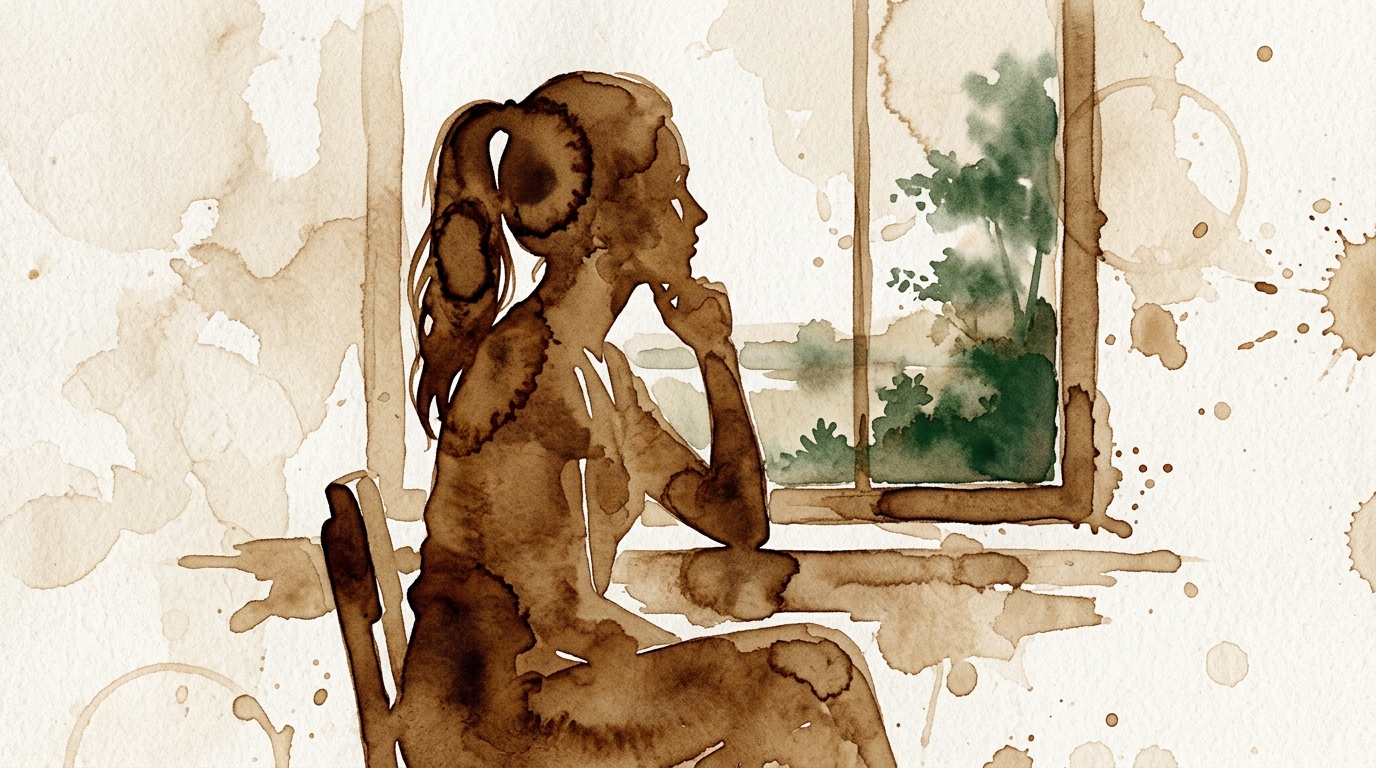
In any close relationship, two sets of preferences gradually merge. You accommodate, you adopt their tastes, you build shared routines, and over time it gets genuinely hard to tell where your wants end and the relationship's begin. That's preference drift, and it happens to almost everyone, not just people who "lose themselves."
When the relationship ends, the merged preferences don't automatically sort back into yours and theirs. You're left with tastes you can't fully attribute — is this restaurant your favorite, or theirs that you absorbed? — and a low-grade disorientation about your own identity. People often read this as proof they had no self, which is the wrong conclusion.
The accurate read is that your self is intact but currently entangled, and untangling it is a process of rediscovery, not reconstruction from nothing. Naming the disorientation as preference drift — normal, expected, temporary — replaces the panic of "I don't know who I am" with a clear task. The deeper identity-level version of this is in Redefining Identity After a Breakup.
Key Insights: - In a relationship, two sets of preferences gradually merge — preference drift - After it ends, the merged preferences don't automatically sort back out - The disorientation is entanglement, not proof you had no self - Naming it as normal and temporary replaces panic with a clear task
Put It Into Practice: - Accept the "I don't know what I like" feeling as normal preference drift - Reframe the task as rediscovery, not building a self from nothing - Notice which tastes you can't confidently attribute to yourself yet
Key Points
- Preferences merge during a relationship — preference drift
- They don't automatically sort back out after a breakup
- The disorientation is entanglement, not absence of self
- Naming it normal turns panic into a clear task
Practical Insights
- Accept not-knowing as normal preference drift
- Reframe it as rediscovery, not reconstruction
- Notice tastes you can't yet attribute to yourself
Run Small Experiments, Not Big Revelations
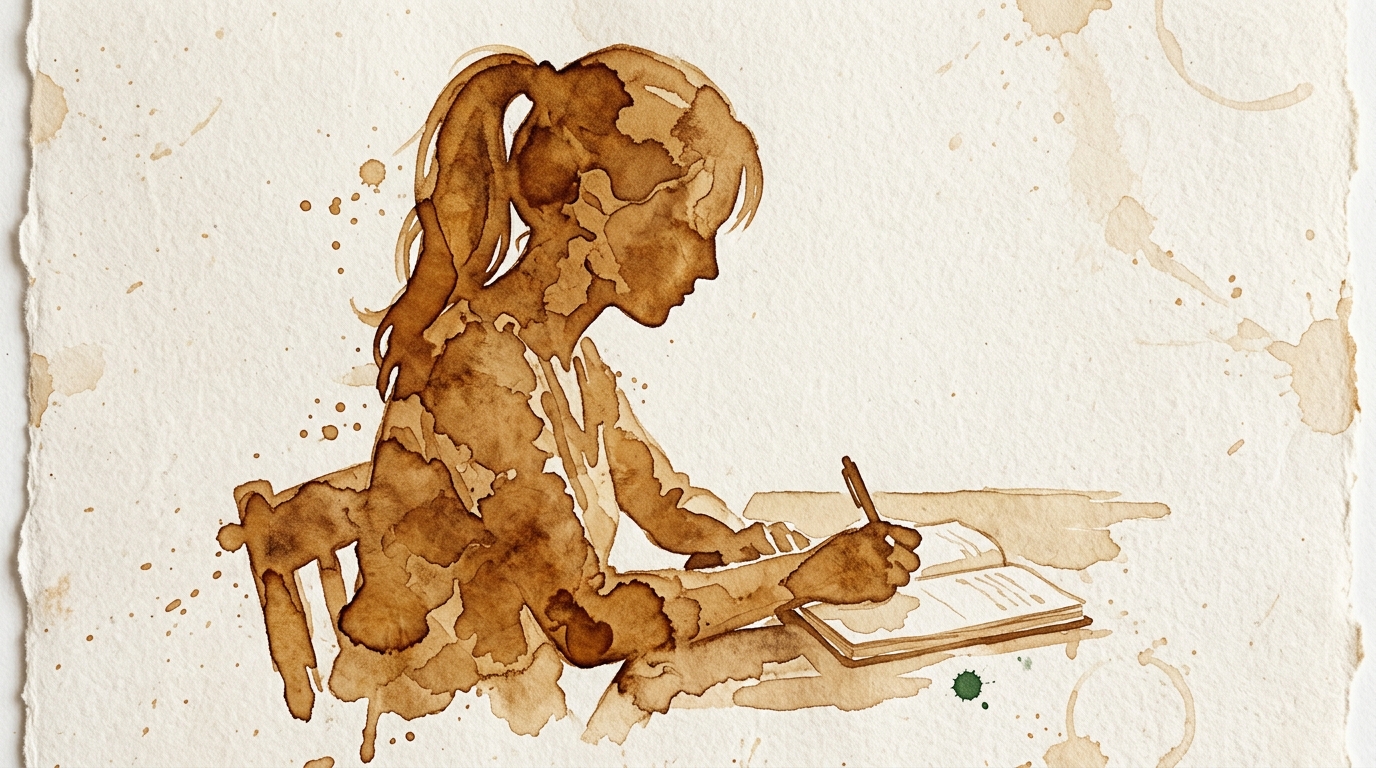
The common mistake is treating self-discovery as a thinking problem — sitting down to figure out who you are. You can't reason your way to a preference. You find it by trying things and noticing your honest reaction.
Make small, low-stakes choices purely yours. Pick the restaurant, the movie, the weekend plan based only on what you want, with no filter for what a partner would have wanted. Then notice the reaction: relief, boredom, genuine enjoyment? Each small choice is a data point about who you are, and they accumulate faster than any amount of introspection.
Deliberately test the inherited ones. Revisit the tastes you absorbed and check whether they're actually yours: the show you watched for them, the hobby that was their thing, the routine you kept by default. Some you'll keep because you genuinely like them; some you'll drop with relief. Both outcomes are information.
Follow curiosity without justifying it. If something mildly interests you — a class, a place, a topic — try it without needing a reason. Solo self-discovery is built largely from acting on small curiosities, which is also how you rediscover the interests a relationship crowded out, covered in Rediscovering Your Hobbies and Interests. Track your honest reactions in Untangle Your Thoughts.
Key Insights: - Self-discovery is found by trying things, not by thinking your way to it - Small choices made purely for you are data points about who you are - Inherited tastes are worth testing — keep some, drop some, both are information - Acting on small curiosities without justification surfaces real preferences
Put It Into Practice: - Make small choices based only on what you want, then notice your reaction - Test one inherited taste and see whether it survives without the relationship - Follow one mild curiosity this week without needing a reason
Key Points
- Self-discovery is found by trying, not by thinking
- Small for-you choices are data points about who you are
- Test inherited tastes — keep some, drop some
- Acting on curiosities surfaces real preferences
Practical Insights
- Make for-you choices and notice the reaction
- Test one inherited taste
- Follow one curiosity without justifying it
Building the Independent Self
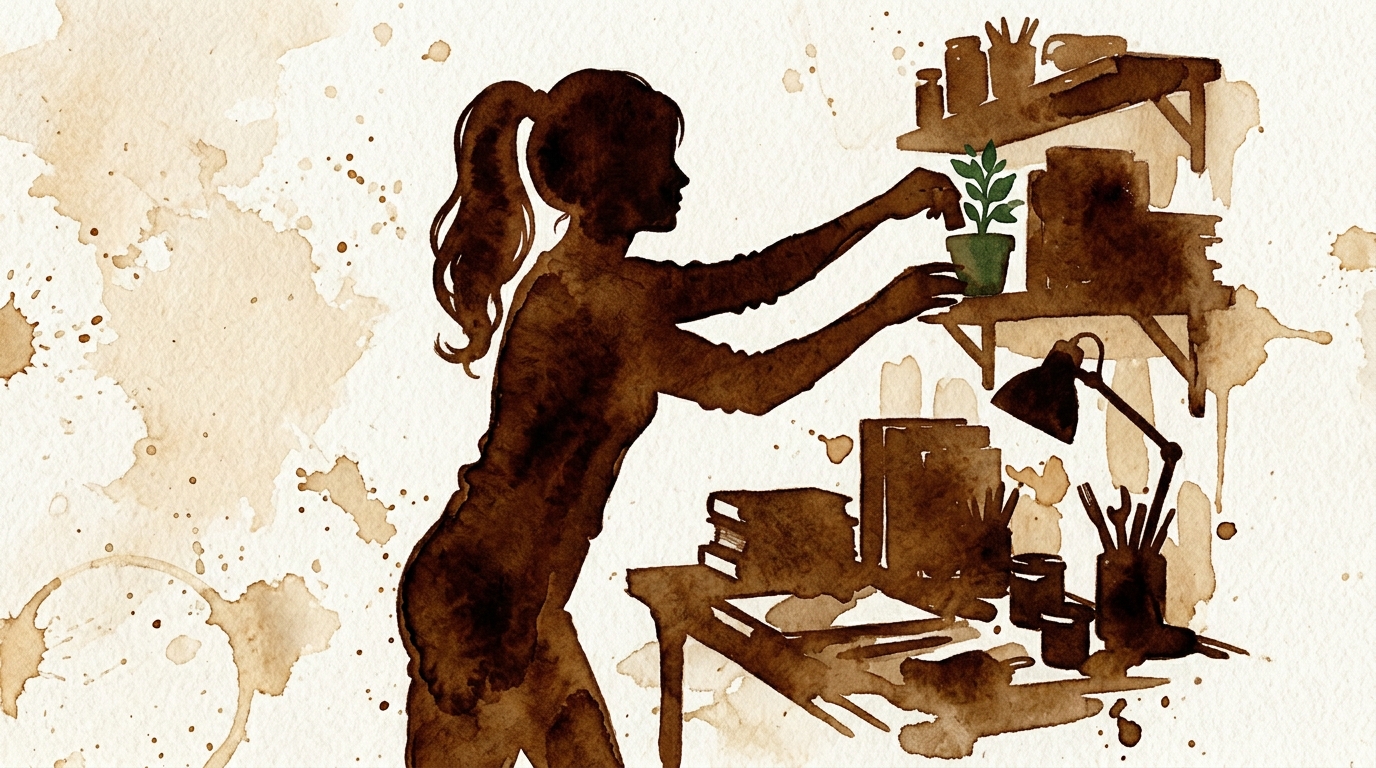
Over time, the accumulated small choices stop being scattered experiments and start forming a coherent sense of self again — one that's clearly yours because you built it on purpose.
Let the pattern emerge rather than forcing it. You don't need to declare a new identity. After enough for-you choices, a pattern shows up on its own — what you actually enjoy, how you like your time, what matters to you — and it's more durable than any identity you could announce, because it's backed by evidence rather than aspiration.
Claim a life structured around your preferences. As the pattern clarifies, build your routine, your space, and your time around it deliberately. An identity holds when it's expressed in how you actually live, not just in how you describe yourself. This is the practical groundwork beneath being content on your own, which connects to Learning to Enjoy Life Solo and Being Unapologetically Single.
Keep the self portable into the next relationship. The point of rebuilding an independent self isn't to stay single — it's to enter any future relationship with a self solid enough that it won't simply dissolve into the next person's. A self you rediscovered deliberately is much harder to lose again. That's the protection against repeating preference drift.
Key Insights: - Accumulated small choices form a coherent self that's clearly yours - Let the pattern emerge from evidence rather than declaring a new identity - An identity holds when expressed in how you live, not just how you describe yourself - A deliberately rebuilt self is harder to lose in the next relationship
Put It Into Practice: - Look for the pattern across your recent for-you choices rather than forcing one - Structure your routine and space around your clarifying preferences - Treat the rebuilt self as portable protection against future preference drift
Key Points
- Accumulated choices form a coherent, owned self
- Let the pattern emerge from evidence, don't declare it
- Identity holds when lived, not just described
- A rebuilt self resists dissolving in the next relationship
Practical Insights
- Look for the pattern in your for-you choices
- Structure your life around clarifying preferences
- Treat the rebuilt self as portable protection
Frequently Asked Questions
Why do I feel like I don't know who I am after my breakup?
Because of preference drift — during a relationship your tastes, routines, and identity gradually merge with your partner's, and when it ends they don't automatically sort back into yours and theirs. You're left with preferences you can't fully attribute and a low-grade disorientation about yourself. It's entanglement, not proof you had no self, and it's recoverable through rediscovery.
How do I find myself again after a breakup?
Through small experiments rather than big introspection. Make low-stakes choices based purely on what you want — the restaurant, the movie, the weekend — and notice your honest reaction, since each is a data point about who you are. Test the tastes you absorbed from the relationship to see which are genuinely yours, and follow small curiosities without needing a reason. A coherent self emerges from the accumulated choices.
Why can't I just think about what I want?
Because preferences are discovered through experience, not reasoning. Sitting down to figure out who you are tends to produce more confusion, not clarity, especially when your tastes are still entangled with the relationship. Acting — trying things and noticing your reaction — surfaces real preferences far faster than introspection, because you're gathering evidence instead of guessing.
How long does it take to feel like yourself again?
It varies, because it depends on accumulated experience rather than elapsed time. The self clarifies as for-you choices add up, so the more you actively experiment, the faster the pattern emerges. Rather than waiting to feel like yourself, treat each small independent choice as a step, and notice the pattern forming over weeks rather than judging any single day.
Does rediscovering myself mean I should stay single?
No — the point isn't to avoid relationships but to rebuild a self solid enough that it won't simply dissolve into the next person's. A self you rediscovered deliberately is much harder to lose again, which means you can enter a future relationship while staying yourself within it. Solo self-discovery is protection against repeating preference drift, not a vow of singleness.
Conclusion
Feeling unsure who you are after a breakup isn't lost identity — it's preference drift, the normal entanglement of two merged lives, and it's recoverable through doing rather than thinking. Run small experiments, make choices that are purely yours and notice your honest reactions, test the tastes you inherited, and let a coherent self emerge from the accumulated evidence. Build your life around that clarifying pattern, and you carry a solid self into whatever comes next.Go to the identity-level framework in Redefining Identity After a Breakup, rediscover crowded-out interests with Rediscovering Your Hobbies and Interests, and track your honest reactions in Untangle Your Thoughts.