How to Be Unapologetically Single After a Breakup: Leaving the Waiting Room
Introduction
There's a specific feeling after a breakup of being in a holding pattern — like your real life is paused until the next relationship starts it again. You catch yourself half-apologizing for being single, treating it as a temporary, slightly embarrassing status rather than a way of living that can be genuinely good.That feeling isn't a fact about single life. It's a cultural default you absorbed, and it can be set down.
Quick Answer: Being unapologetically single means treating single life as a full, chosen way of living rather than a waiting room between relationships. The thing keeping most people apologetic is what I call the Default-Coupled Trap — the unexamined assumption that partnered is the real state and single is the gap. Leaving it has three moves:
1. Name the trap — see the "waiting room" feeling as a cultural script, not reality
2. Reclaim the status — stop framing single as temporary and lesser
3. Build a full single life — invest in it as a real life, not a placeholder
None of this means swearing off relationships. It means your life is good now, whether or not the next one ever comes.

Why Single Feels Like Failure: The Default-Coupled Trap
The apology reflex around being single comes from an assumption running quietly in the background: that partnered is the normal, complete state and single is a temporary deficit to be corrected. That's the Default-Coupled Trap, and most of us absorbed it without ever deciding it.
It shows up in small tells: explaining your single status before anyone asks, treating purchases or plans or trips as "on hold" until you're partnered, feeling a flicker of failure at a wedding or a couples' event. None of those reactions come from anything actually wrong with your life — they come from measuring it against a coupled default.
After a breakup the trap is loudest, because you've just lost the status the culture treats as the goal, so single reads as demotion. Seeing it as a script rather than a truth is the first move: your life didn't become provisional when the relationship ended. The deeper sense of "who am I without them" underneath this is its own work, in Solo Self-Discovery.
Key Insights: - The apology reflex comes from assuming partnered is complete and single is a deficit - The Default-Coupled Trap is absorbed culturally, not chosen - It shows up as explaining your status, putting life "on hold," and feeling failure at couple events - After a breakup it's loudest because single reads as demotion from the cultural goal
Put It Into Practice: - Catch the apology reflex and notice you're measuring against a coupled default - Name the "waiting room" feeling as a script, not a fact about your life - Stop putting plans and purchases "on hold" for a partnered future
Key Points
- The apology reflex assumes partnered is complete, single is deficit
- The Default-Coupled Trap is absorbed, not chosen
- It shows as over-explaining, life-on-hold, and couple-event failure
- After a breakup it reads as demotion from the cultural goal
Practical Insights
- Catch the apology reflex and the coupled measuring stick
- Name the waiting-room feeling as a script
- Stop putting life on hold for a partnered future
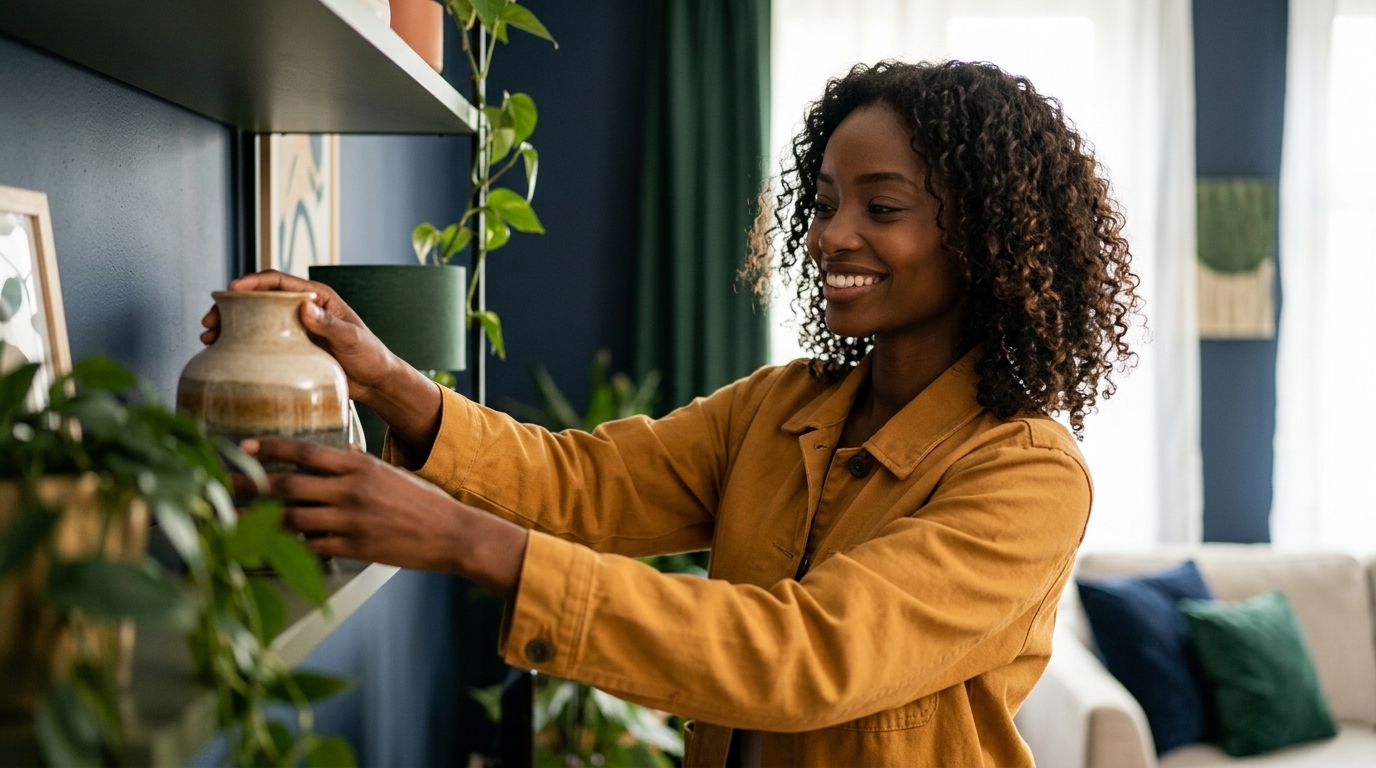
Reclaiming Single as a Real Status
Reclaiming the status is a shift in how you talk and act about being single — internally first, then outwardly.
Drop the temporary framing. Notice the language of provisionality — "for now," "until I meet someone," "in the meantime" — and remove it. The words encode the waiting room. Talking about your life as your life, not as an interlude, is most of the reframe.
Stop pre-apologizing. You don't owe anyone an explanation for being single, a timeline for changing it, or reassurance that you're "working on it." Answering the question "why are you single?" with a shrug and a topic change, rather than a defense, communicates that there's nothing to defend. The broader skill of handling those questions is in How to Handle Breakup Questions.
Claim the genuine upsides out loud. Single life has real advantages — full autonomy over your time, money, space, and direction — and naming them to yourself counters the deficit framing with accurate data. This isn't pretending to be happy; it's correcting a lopsided ledger that only counts what's missing. Pointing that autonomy at something you care about is covered in Find Your New Purpose After a Breakup.
Key Insights: - Reclaiming single is a shift in language and action, internal first - Provisional language ("for now," "in the meantime") encodes the waiting room - You owe no explanation, timeline, or reassurance for being single - Naming single life's real autonomy counters the deficit framing with accurate data
Put It Into Practice: - Cut provisional phrases from how you describe your life - Answer "why are you single?" with a shrug and a pivot, not a defense - Write the genuine advantages of your current autonomy
Key Points
- Reclaiming single is a language-and-action shift, internal first
- Provisional language encodes the waiting room
- You owe no explanation or timeline for being single
- Naming real autonomy counters the deficit framing
Practical Insights
- Cut provisional phrases from your self-talk
- Answer the single question with a pivot, not a defense
- List the genuine advantages of your autonomy

Building a Full Single Life
The reframe holds only if you actually build the life, so single stops being a story and becomes a reality you're living.
Invest like it's permanent. Make the home you want now, take the trip now, pursue the goal now — rather than saving these for a coupled future. Acting as though your life is fully underway (because it is) dissolves the waiting room faster than any amount of positive self-talk, because it replaces the story with evidence.
Build the relationships single life runs on. A full single life is rich in friendship, community, and chosen connection rather than organized around one romantic partner. Investing in those bonds — the support network a relationship sometimes crowds out — is covered in Making Friends After a Breakup and Learning to Enjoy Life Solo.
Let a relationship be an addition, not a rescue. The point of an unapologetically single life is that it's good on its own, which paradoxically makes you a better partner if a relationship does come — you'd be adding someone to a full life rather than recruiting them to complete an empty one. Dating from fullness rather than lack is the self-possession in Building Attraction After a Breakup.
Key Insights: - The reframe holds only if you actually build the life - Investing as if single is permanent replaces the story with evidence - A full single life runs on friendship and community, not one romantic partner - A relationship should add to a full life, not rescue an empty one
Put It Into Practice: - Do one thing you'd been saving for a partnered future — now - Invest in friendships and community as primary, not placeholder, relationships - Aim to date from fullness later rather than from lack
Key Points
- The reframe holds only by actually building the life
- Investing as if single is permanent replaces story with evidence
- A full single life runs on friendship and community
- A relationship should add to a full life, not rescue an empty one
Practical Insights
- Do one thing you'd saved for a coupled future now
- Invest in friendships as primary relationships
- Aim to date from fullness, not lack
Frequently Asked Questions
How do I stop feeling bad about being single after a breakup?
Recognize that the bad feeling comes from the Default-Coupled Trap — the absorbed assumption that partnered is the complete state and single is a deficit — rather than from anything actually wrong with your life. Name it as a cultural script, drop the provisional language ("for now," "until I meet someone"), stop pre-apologizing for your status, and actually invest in your life as it is. The feeling fades fastest when you replace the waiting-room story with a life you're genuinely living.
What does it mean to be unapologetically single?
It means treating single life as a full, legitimate way of living rather than a temporary holding pattern between relationships. You stop explaining or apologizing for your status, stop putting your life on hold for a partnered future, and build something rich in friendship, community, and your own pursuits. It doesn't mean rejecting relationships — it means your life is good now, with or without the next one.
Why do I feel like my life is on hold when I'm single?
Because of the Default-Coupled Trap: the unexamined belief that your real life runs when you're partnered and pauses when you're not. It shows up as saving trips, purchases, and goals "until I meet someone." The fix is to act as though your life is fully underway — because it is — and do the things now rather than reserving them for a coupled future.
How do I answer when people ask why I'm single?
You don't owe an explanation, a timeline, or reassurance that you're working on it. A shrug and a topic change communicates that there's nothing to defend far better than a justification does. Treating the question as small is what makes it small. The broader approach to handling intrusive questions is in How to Handle Breakup Questions.
Does being happily single make it harder to find a relationship?
The opposite. Building a full single life means that if a relationship comes, you'd be adding someone to an already-good life rather than recruiting them to complete an empty one — which is a steadier, more attractive position to date from. Dating from fullness rather than lack tends to produce better choices and healthier relationships.
Conclusion
Being unapologetically single isn't defiance or swearing off love — it's leaving the Default-Coupled Trap, the quiet assumption that partnered is the real state and single is the gap. Name the trap, reclaim the status by dropping the provisional language and the pre-apologies, and actually build a full life rich in friendship and your own pursuits. Do that and single stops being a waiting room and becomes a life — one that a future relationship could add to rather than rescue.Go deeper on who you are on your own in Solo Self-Discovery, build the connections it runs on with Making Friends After a Breakup, and point your autonomy somewhere with Find Your New Purpose After a Breakup.