Weekend Plans Solo After a Breakup: The 3-Block Weekend Architecture That Replaces Dread with Structure
Introduction
I've worked with hundreds of women who tell me weekdays are manageable but weekends feel like a problem they can't solve. Monday through Friday gives you structure: work, errands, calls. Then Friday at 5 PM hits and the architecture disappears. Forty-eight hours of unstructured time stretches out, and your brain — already grieving — fills the silence with rumination, scrolling, and the question that won't quit: "What am I supposed to do with myself?"This isn't a willpower problem. Weekend dread after a breakup has a specific neurological signature, and it gets worse, not better, when you try to "just relax" or "do whatever you feel like." Freedom plus grief equals paralysis. What works is structure — but a different kind than your weekday calendar.
Quick Answer: Weekend plans solo after a breakup work best when you stop trying to fill time and start building architecture. The 3-Block Weekend Architecture gives you three intentional time blocks — Anchor, Movement, and Open Space — that work together to prevent rumination without overscheduling.The three blocks: 1. Anchor — A repeating solo activity that becomes the weekend's foundation 2. Movement — Time spent outside the home, in your body, in the world 3. Open Space — Intentional unscheduled time that heals instead of dreadsThis is the framework I built after watching the same pattern repeat: women either over-scheduling weekends to avoid feeling anything, or doing nothing and getting flattened by Sunday afternoon. Neither works. Architecture does. Let me walk you through how it functions and how to build yours.
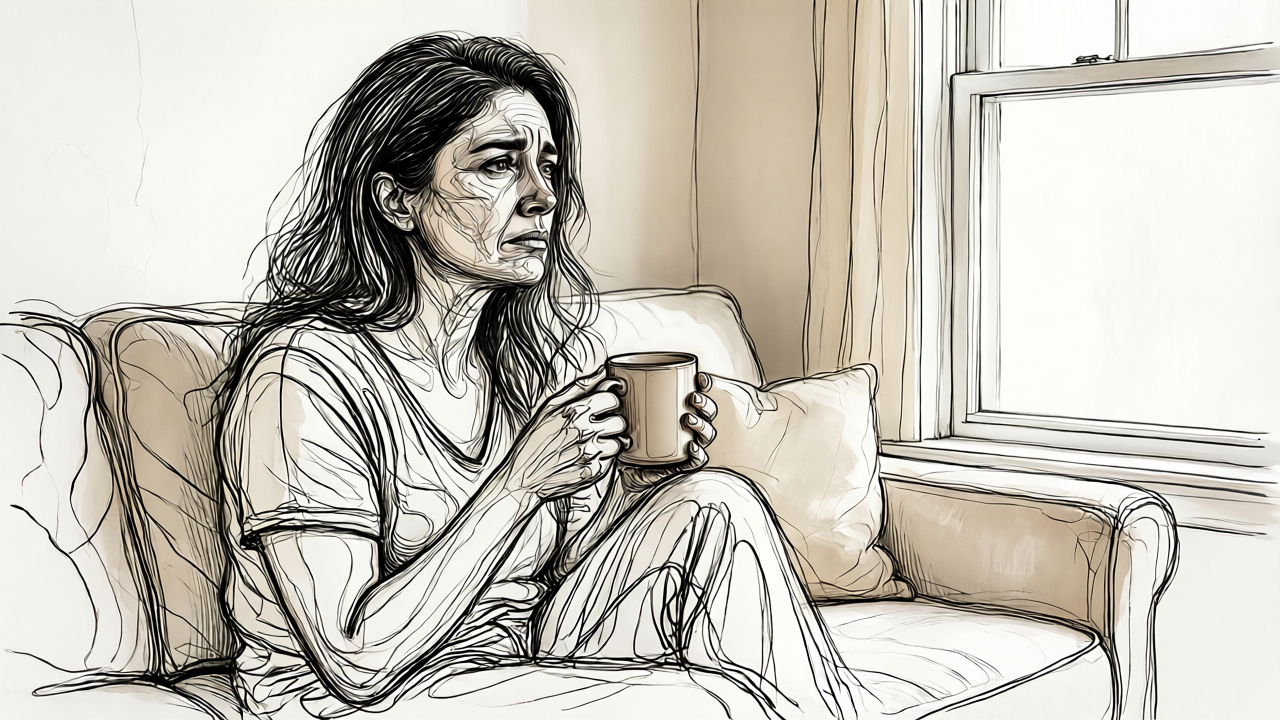
Why Weekends Hit Hardest After a Breakup (The Mechanism)
Your weekday brain runs on autopilot. You wake up, you commute, you work, you handle the small decisions that fill the day. Most of those routines were built before the relationship and survived after it. Your nervous system recognizes weekdays as predictable, which means the cognitive load of grief gets diluted across activity.
Weekends are different. Saturday mornings, Sunday brunches, lazy afternoons, evening plans — for most couples, these get woven into shared rituals over months or years. Your brain doesn't store these as "weekend things." It stores them as "us." When the relationship ends, the weekday architecture remains mostly intact, but the weekend architecture collapses overnight.
This is what I call the Coupled Weekend Pattern, and it explains why Saturday at 11 AM can feel harder than Tuesday at 11 AM even when nothing about Tuesday was specifically tied to your ex. The neural pathways for weekend behavior were co-built. The triggers are time-based, not just place-based.
There's also a comparison spike that hits on weekends specifically. Saturday is when social media floods with couples brunching, friends at events, and curated weekend joy. If you're alone in your apartment at noon on Saturday and you check Instagram, you're going to feel objectively worse than if you did the same thing at noon on Wednesday. The signal-to-noise ratio of weekend social media is uniquely brutal for someone newly single.
Then there's the Sunday Scaries Compounding Effect. Pre-breakup, Sunday evenings already carried mild dread for most working women — the end of weekend freedom, the start of the workweek. After a breakup, that mild dread compounds with grief processing that's been deferred all weekend. By Sunday at 4 PM, your nervous system has been holding emotional weight for 48 hours without the structure that distributes it during the week. The dread isn't about Monday. It's about catching up with everything you didn't feel during the weekend.
This is why generic advice — "do something fun," "call a friend," "practice self-care" — fails. It treats weekend dread as a motivation problem when it's actually a structural one. You don't need more inspiration. You need a framework that does the architecting your brain used to do automatically through the relationship.
The other reason vague advice fails: when grief is high, your prefrontal cortex (the part that makes decisions) is partially offline. Asking yourself at 9 AM Saturday "what do you want to do today?" forces decision-making at exactly the moment your decision-making capacity is lowest. The result is paralysis or default behaviors — scrolling, sleeping, ruminating — that make the day worse.
A prebuilt architecture removes the decision in the moment. You're not choosing what to do. You're executing what you already decided when your brain was clearer.
Key Points
- Coupled Weekend Pattern: weekend rituals get neurologically encoded as relationship-tied
- Comparison spike: weekend social media disproportionately surfaces couple/event content
- Sunday Scaries Compounding: deferred grief catches up by late Sunday afternoon
- Decision-making fails when grief is high — vague advice forces choices the brain can't make
- Solution requires structure built in advance, not motivation generated in the moment
Practical Insights
- Notice which specific weekend hours feel hardest and treat that as data, not failure
- Audit your weekend social media use — most weekend dread amplifies through scrolling
- Stop asking yourself what you want to do in the moment; pre-decide while you have clarity
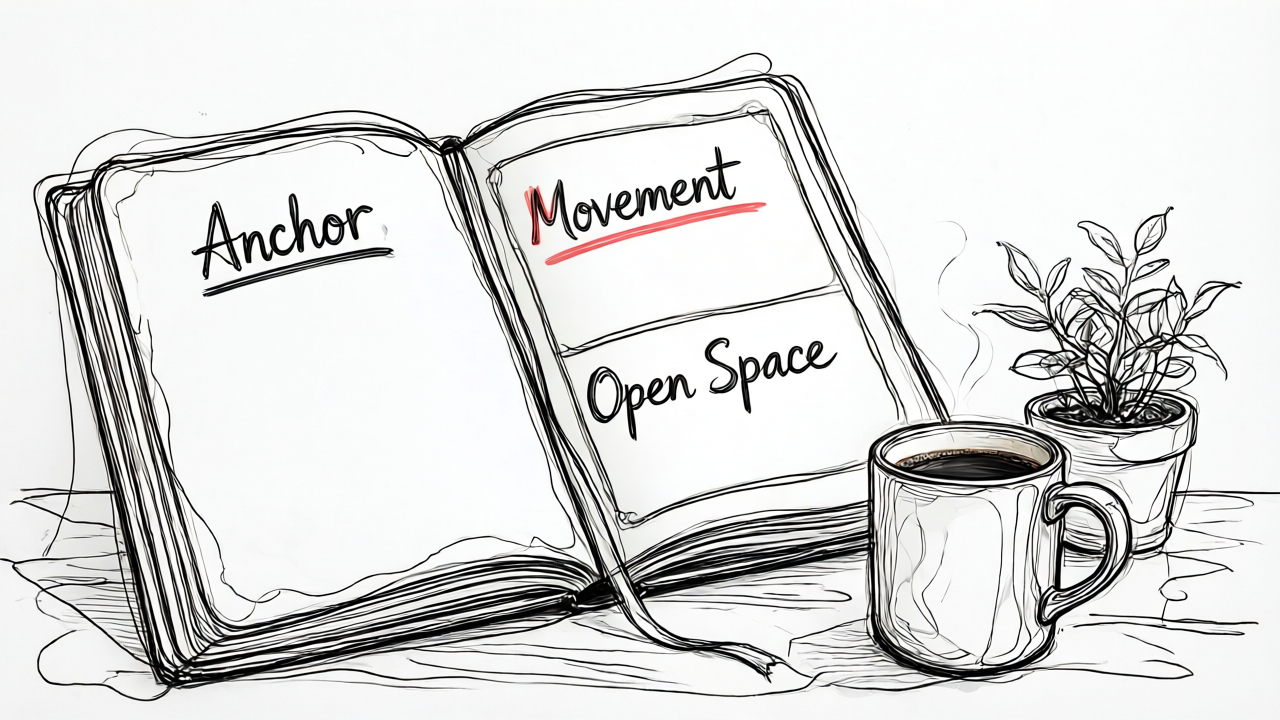
The 3-Block Weekend Architecture: How the Framework Works
The 3-Block Weekend Architecture is the system I developed after watching two failure modes repeat across hundreds of clients. Failure mode one: over-scheduling every weekend hour to avoid feeling anything, which produces exhaustion and unprocessed grief that surfaces three weeks later. Failure mode two: doing nothing because nothing sounds appealing, which produces stagnation, rumination, and a Sunday evening crash.
The architecture solves both by giving each weekend day three intentional blocks that serve different functions. The blocks aren't equal in length and they aren't sequential in a strict order. They're a structural commitment — by the end of each weekend day, you'll have done one of each.
Block 1: Anchor. A repeating solo activity that becomes the weekend's foundation. Same activity, similar time, every weekend. Saturday morning yoga at home. Sunday afternoon at the same café reading. The Anchor is non-negotiable, and its repetition is the point.
Block 2: Movement. Time outside your home, in your body, in the external world. This isn't necessarily exercise — it's environment change. A walk, an errand, a class, a coffee shop, a museum visit. The Movement block exists to interrupt rumination, which is a stationary problem.
Block 3: Open Space. Intentional unscheduled time. Not "I have nothing to do." Specifically: "This is my open space." The framing matters more than the activity. Open Space lets your nervous system process what the week activated, but only when it's named as such.
The order isn't fixed, but a pattern emerges with most clients. Anchor first thing in the morning works for most people because it sets the day's tone before grief intrusions can hijack it. Movement in the late morning or afternoon prevents the post-lunch slump from becoming a four-hour scroll session. Open Space in the evening (or scattered through the day) gives your brain permission to feel without panic.
Why architecture beats inspiration. When you wait to feel inspired, you wait forever. Grief flattens motivation. The Anchor doesn't need motivation because it's already decided. Movement doesn't need motivation because it's a structural commitment. Open Space doesn't need motivation because it's not asking you to do anything productive. The architecture removes the motivation requirement entirely.
Why this works when other systems fail. Most weekend planning advice tells you to schedule activities. That's the wrong unit. Activities are nouns. Architecture is verbs and contexts. Scheduling "go to the museum at 2 PM" doesn't work because at 1:45 PM you might feel terrible and cancel. Architecture says "Saturday afternoon I'm in Movement mode" — and you have a list of Movement options to choose from based on capacity that hour.
This flexibility is essential. Grief doesn't run on a calendar. Some Saturdays you'll have energy for a long Movement block; other Saturdays you'll need a short walk and an extended Anchor. The architecture stays the same. The specific activities flex inside it.
The other reason this works: each block has a specific function in healing. Anchors create safety through repetition. Movement interrupts rumination through embodiment. Open Space integrates through reflection. You're not just filling time. You're cycling your nervous system through three states it needs.
Key Points
- Three blocks per weekend day: Anchor, Movement, Open Space — different functions, not interchangeable
- Architecture beats inspiration because grief flattens motivation
- Activities are the wrong unit; verbs and contexts are the right unit
- Flexibility lives inside the architecture — what you do flexes, the structure doesn't
- Each block targets a specific nervous system need: safety, rumination interruption, integration
Practical Insights
- Build the architecture once, then execute weekly — don't redesign every Friday
- Pre-write a list of 3-5 options for each block based on different energy levels
- If a weekend day feels broken, identify which block was missing and rebuild from there
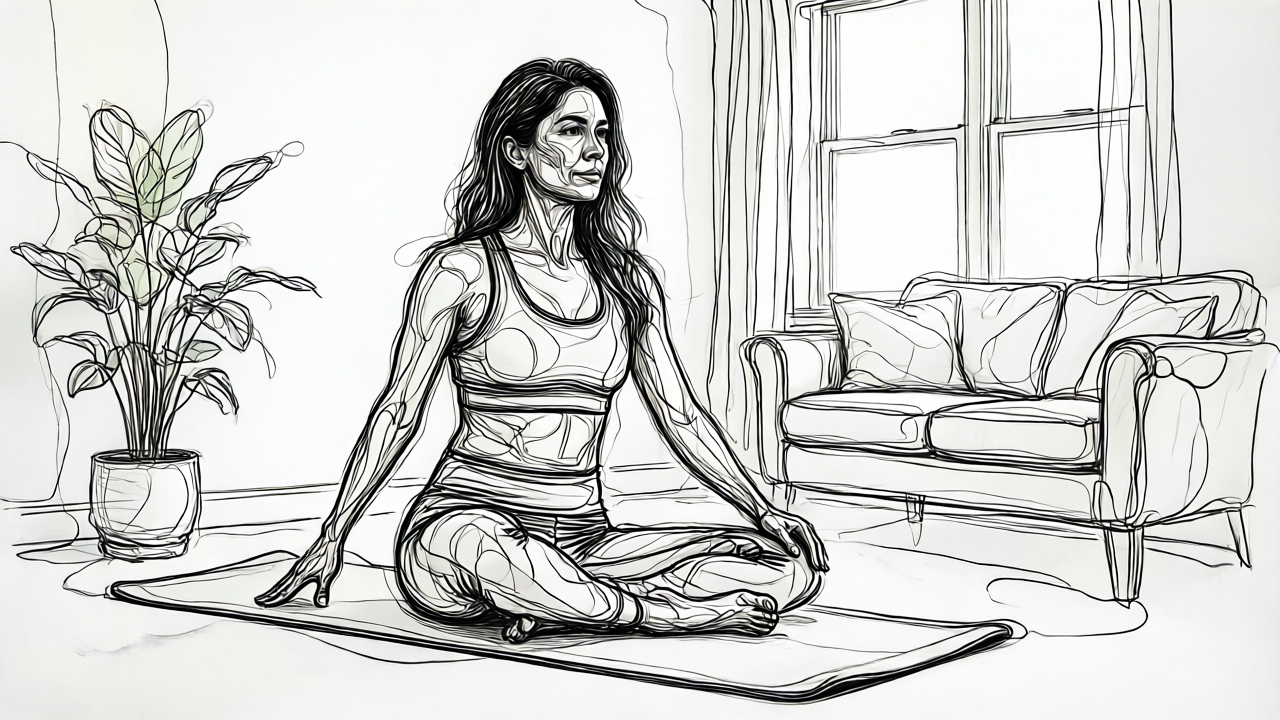
Block 1 — The Anchor: Why Repetition Heals What Variety Can't
The Anchor is the single most important block in the 3-Block Architecture, and it's the one most people skip because it sounds boring. "The same thing every weekend" doesn't excite anyone. But repetition is doing something specific for your nervous system that variety cannot do.
After a breakup, your sense of safety drops. The relationship — even a difficult one — provided a level of predictability your brain had come to expect. When that disappears, your nervous system runs in low-grade alert mode for weeks or months. Repetition is one of the fastest ways to rebuild felt safety. When your body knows that Saturday morning at 9 AM you'll be doing the same thing you did last Saturday and the Saturday before, that knowing settles something. It tells your nervous system: there is still structure. Some things are still predictable.
Three types of Anchors. I work with clients to choose Anchors based on what their nervous system needs in the current phase of recovery.
Regulating Anchors are calming, low-stimulation activities. Morning meditation. A slow yoga sequence. Tea on the patio. Journaling with a specific prompt set. These are best in the first 6-8 weeks after a breakup when your system is hyperactivated and any additional stimulation feels intolerable.
Stimulating Anchors require focus and engage the prefrontal cortex. A crossword. A drawing class. A specific recipe. A book club. These work better around weeks 8-16 when your acute grief is settling and rumination is the bigger threat than overwhelm.
Expressive Anchors are creative or somatic activities that move emotion through the body. Dance class. Painting. Singing. A gym session focused on lifting. These often become viable around month 3-4, when you have enough capacity to feel without being flattened by what surfaces.
The Saturday vs. Sunday distinction. Many clients eventually develop two Anchors — one for each weekend day. This is optional but powerful. The Saturday Anchor often skews toward stimulation or movement (you have full energy and want forward momentum). The Sunday Anchor often skews regulating (you're integrating the week's emotional load and preparing for Monday). Different days, different nervous system needs.
How long until the Anchor stops feeling forced. Most clients report that an Anchor starts feeling like "part of who they are" around week 4-6 of consistent practice. The first three weeks feel artificial. Week four something shifts. By week six, missing the Anchor feels worse than doing it. This is the felt safety I mentioned earlier consolidating into a stable pattern.
The reflection prompts in Untangle Your Thoughts work well as a journaling Anchor specifically because the structure removes the in-the-moment decision about what to write. You open the book, you do the prompts. Same pages on Saturday morning, week after week. The repetition is the medicine. By week six, the practice has built a Saturday-morning identity that exists independent of the relationship that's gone.
What disqualifies something from being an Anchor. Anchors must be solo, must be repeatable without external dependencies, and must be small enough that a low-energy weekend can still execute them. "Sunday brunch with my friend" is not an Anchor — it depends on the friend's availability. "Boutique fitness class at 9 AM" might not be an Anchor if cancellations or scheduling shifts happen. The Anchor needs to be something you control entirely.
Key Points
- Repetition rebuilds nervous system safety in a way variety cannot
- Three Anchor types: Regulating (early recovery), Stimulating (mid), Expressive (later)
- Saturday vs Sunday Anchors can address different nervous system needs
- Anchors take 4-6 weeks to feel natural — the first three weeks feel forced
- Anchors must be solo, repeatable, and low-friction enough for low-energy weekends
Practical Insights
- Choose your Anchor type based on which week post-breakup you're currently in
- Use the journaling prompts in Untangle Your Thoughts as a built-in Saturday or Sunday Anchor with no decision overhead
- Don't pick something glamorous — pick something you can execute on your worst weekend
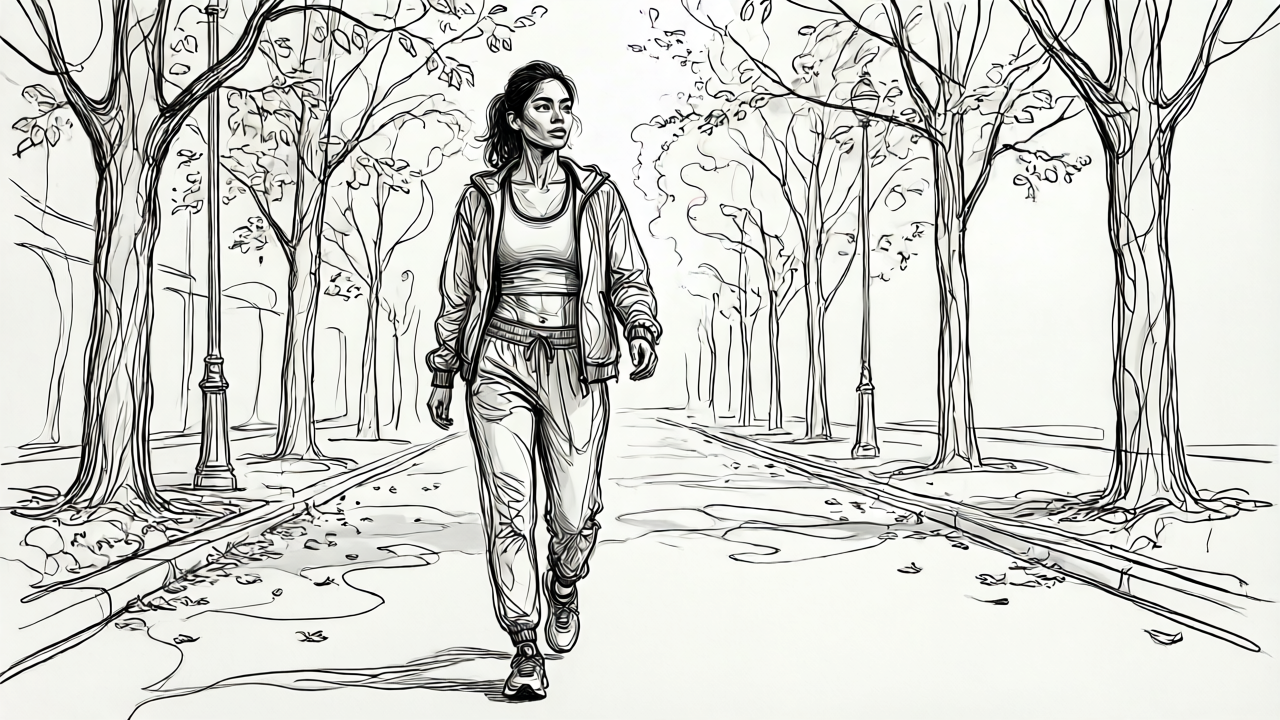
Block 2 — Movement: Why Your Body Has to Leave the House
Rumination is a stationary problem. The thought spirals that hijack your weekend live in your head, but they only fully take over when your body cooperates by staying still in a familiar environment. Move your body to a different environment, and the rumination loses some of its grip — not because you've solved anything, but because the input changed.
The Movement block isn't about exercise, though exercise counts. It's about environment change. Specifically: you must leave your home for a defined period of time. The minimum useful duration is 30 minutes. The sweet spot is 60-90 minutes. Beyond 90 minutes, fatigue starts to compound the original grief and you can come home worse than you left.
The mechanism. When you walk out your front door, your visual field changes, your proprioception shifts, your breathing pattern adjusts to motion, and your brain starts processing new inputs instead of old loops. This isn't a metaphor. It's literal — the parts of your brain involved in spatial navigation activate, and they share resources with the parts involved in rumination. When one runs, the other runs less. This is why a 45-minute walk often produces more emotional regulation than 45 minutes of trying to journal through the same thoughts at home.
What counts as Movement. Anything that gets you out of your house and uses your body, even minimally. A walk to a coffee shop. Errands to two or three locations. A workout class. A trip to the farmer's market. A drive to a different neighborhood and a walk there. A hike. A leisurely museum visit. Even a long grocery store run counts if your usual pattern is delivery.
What doesn't count: sitting in a car, eating in a restaurant, or any activity that's primarily stationary even if it's outside your home. The body has to be in motion enough to change physiological state.
The 90-minute rule. I've watched clients try to use Movement as a way to escape the entire weekend — six-hour hikes, all-day shopping trips, marathon errand sprees. These almost always backfire. Movement works as a state-shifter, not a grief-eraser. Once you cross 90 minutes, you start to fatigue, and fatigue removes your nervous system's ability to integrate what just happened. You come home tired, dehydrated, and emotionally flooded.
Better to do two separate 60-minute Movement blocks across the weekend than one 4-hour block. Better still to do one 60-minute block on Saturday and one on Sunday.
Movement-as-medicine vs. Movement-as-punishment. This is the distinction that matters most. Movement-as-medicine is gentle, environment-rich, and ends when you feel slightly better than when you started. Movement-as-punishment is forcing yourself through a hard workout because you feel bad about your body or because you're trying to outrun a feeling. Punishment Movement deepens the grief pattern. Medicine Movement interrupts it.
If you finish a Movement block feeling worse than you started, examine whether the activity was treating itself as punishment. Sometimes the answer is that the activity was fine but you went too long, or you went hungry, or you went without water. Other times the activity itself was punitive, and you need a gentler default.
The "I should be social" trap. Many people try to make Movement double as social time — meeting a friend for the walk, taking a class with a friend, going to brunch. This sometimes works but often doesn't, especially in the first three months. Social Movement adds emotional management to the block (managing your friend's mood, performing okay-ness, holding conversation). Solo Movement lets your body do its work without the additional cognitive load. Default to solo Movement until it becomes reliably regulating, then introduce social Movement selectively.
Key Points
- Rumination is stationary; environment change interrupts the loop more than thought work alone
- Movement targets 30-90 minutes; beyond 90 produces fatigue that compounds grief
- What counts: anything outside the home that uses the body in motion
- Movement-as-medicine vs Movement-as-punishment is the critical distinction
- Solo Movement is more regulating than social Movement in early recovery
Practical Insights
- Build a list of 5 Movement options across different energy levels and time commitments
- Stop a Movement block when you feel slightly better, not when you're exhausted
- Default to solo Movement for the first three months; social Movement adds cognitive load

Block 3 — Open Space: Why Unscheduled Time Heals (When You Frame It Right)
The third block is the one most people get wrong, and the one with the highest healing potential when you get it right. Open Space is intentional unscheduled time — and the word that matters in that sentence is intentional.
The failure mode: you finish your Anchor and your Movement block and find yourself with three empty hours. You don't have plans. You're not sure what you want to do. The hours stretch out, your brain starts scanning for what to do, and within twenty minutes you're either scrolling, sleeping, or spiraling. That's not Open Space. That's Empty Space.
The difference is framing. Open Space is named in advance. "From 2 to 5 PM today is my Open Space." That naming changes what the time means. You're not failing to have plans. You're executing the third block of your architecture, which happens to be unstructured.
Why unscheduled time matters. Your nervous system needs unprocessed time. The week activates emotional content — interactions with coworkers, news, brief reminders of your ex, micro-decisions that all carry emotional weight. Most of that gets stored, not processed, because the week doesn't have time. Saturday is too soon (your system is still in weekday mode). Sunday afternoon is when integration tends to happen for most people, and it requires unstructured time to surface.
If you over-schedule the entire weekend, the integration doesn't happen. It gets pushed to the next week, where it can manifest as Tuesday afternoon irritability or Wednesday night insomnia. The Open Space block is a release valve.
How to do Open Space without it becoming dread time. Three rules:
Rule 1: Name the start and end. Open Space has time boundaries. "From 3 to 5 PM" gives your nervous system permission to drop. Without boundaries, the unstructured time becomes anxiety because your brain can't tell when it ends.
Rule 2: Have low-key options available, but don't commit to them. Keep a book nearby. A journal nearby. A craft project nearby. Comfortable clothes on. The options exist as defaults if your system asks for something — but you're not obligated to use them. The presence of low-effort options prevents the panicked search for stimulation that turns Open Space into scrolling.
Rule 3: Notice without performing. Open Space isn't "productive rest" or "intentional relaxation" or any other optimized version of doing nothing. It's permission to do whatever your system actually needs in that hour, including napping, staring out the window, crying for a few minutes, or making yourself a snack you didn't plan for.
The role of reflection. Open Space is when reflection becomes useful. During the rest of the weekend, you're executing structure. During Open Space, you have capacity to notice what came up. This is where journaling work pays off — not as an Anchor (that's structured) but as a tool you reach for when something surfaces.
The thought-release prompts in Untangle Your Thoughts are particularly useful in Open Space because they don't require you to know what you want to write about. The prompt structures itself; you respond to whatever surfaces. A 20-minute journaling session in the middle of a 3-hour Open Space block can integrate something that would otherwise sit unprocessed for another week.
For Sunday Open Space specifically, Lunar Insight — the dreamwork and reflection planner — works as an evening wind-down. The structured reflection on the day and intention-setting for the week ahead transitions you from weekend integration to weekday readiness without the abrupt Sunday-evening dread that catches most people off guard.
When Open Space goes wrong. If you find yourself dreading Open Space or consistently filling it with avoidant behaviors (long scrolling sessions, drinking, snacking past hunger), the issue is usually that the prior blocks didn't happen. Open Space requires Anchor and Movement to function. Without those, your system enters Open Space already activated and uses the unstructured time to amplify whatever was unprocessed instead of integrating it.
Key Points
- Open Space is intentional unscheduled time; Empty Space is unintentional and produces dread
- Naming the time block ("This is my Open Space, 3-5 PM") changes its psychological function
- Three rules: name start and end, have low-effort options, notice without performing
- Reflection lands deepest in Open Space because the system has capacity
- Open Space requires Anchor and Movement to function; alone it amplifies what's unprocessed
Practical Insights
- Block out Open Space on your calendar with a start and end time, like any other commitment
- Keep Untangle Your Thoughts within reach during Open Space for when something surfaces
- Use Lunar Insight on Sunday evenings to bridge weekend integration into weekday readiness

The Sunday Scaries Protocol: When the Architecture Falls Apart
Even with a solid 3-Block Architecture, some Sundays will collapse. You'll wake up flat, skip the Anchor, scroll through Movement time, and by 4 PM Sunday you're in full dread spiral about Monday and everything else. This is normal, and it has a specific intervention.
The Sunday Scaries hit at a predictable time for most women in early recovery: between 3 PM and 6 PM. There's a neurobiological reason. By Sunday afternoon, your nervous system has been holding emotional content for nearly 48 hours. If the weekend's architecture didn't run cleanly, that content is now compounded with anticipatory anxiety about the workweek. The result is a wave of intense dread that feels like proof that everything is bad, when actually it's a backlog of unprocessed weekend emotion arriving all at once.
Recognition. The first move when Sunday Scaries hit is recognizing the pattern. "This is the 4 PM Sunday compounding wave. This is what happens when the architecture didn't run." Naming it doesn't make it disappear, but it stops you from interpreting the feeling as evidence about your life.
Most people make the spiral worse by treating Sunday afternoon dread as data — concluding that they're falling behind, the breakup ruined them, they'll never feel okay, etc. None of those are true. The compounding wave is a predictable nervous system pattern. It doesn't mean your life is wrong.
The 30-Minute Rescue. Once you've recognized the wave, run this sequence:
Minute 0-5: Body interrupt. Cold water on your face or wrists, a brief walk around the block, or three minutes of intentional deep breathing. This shifts physiology before you try anything cognitive.
Minute 5-15: Externalization. Write down whatever is loudest. Don't analyze, just dump. "I can't do another week. Everyone else has their life together. I'm so behind. I should have done X this weekend." Get it on paper. The act of externalization moves the content out of recursive looping.
Minute 15-25: One reframe. Pick the loudest thought from the dump and run one reframe on it. Not five. One. "I can't do another week" becomes "I'm activated by Sunday compounding. By Tuesday this will look different." The point isn't to convince yourself; it's to introduce one alternative interpretation that loosens the grip of the spiral.
Minute 25-30: Soft transition. A small comfort act. Tea, a shower, putting on sweats. Something physical that signals to your system that the wave is passing.
Thirty minutes won't make Sunday evening feel great. It will move you from acute spiral to manageable melancholy, which is the realistic target. Acute spirals are not a baseline you should expect to eliminate. They're occasional waves you should expect to weather.
What to do when the rescue doesn't land. Some Sundays the 30-minute sequence won't be enough. The wave is too high. When that happens, the move is to drop expectations entirely for the evening and execute one minimum: a meal you don't have to think about, a show you've seen before, an early bedtime. Don't try to journal extensively. Don't try to call anyone you'd have to perform for. Don't try to plan the week. Just get to sleep.
Monday morning will reset the system. Weekday architecture takes over. The dread that felt like permanent evidence on Sunday at 4 PM will look different by Monday at 10 AM.
What this is data about. When Sunday Scaries hit, it's worth noting which block of your weekend architecture didn't run. Did you skip the Anchor? Did you avoid Movement? Did Open Space become Empty Space? The pattern tells you something. Most clients eventually identify one block they consistently neglect, and addressing that block prevents most future Sunday Scaries waves.
The writing prompts in Untangle Your Thoughts work specifically well in this scenario because the structure does the cognitive work for you when your own decision-making capacity is offline. You don't need to know what to write. You respond to the prompt and the externalization happens.
Key Points
- Sunday Scaries peak between 3-6 PM due to compounded weekend emotional content meeting anticipatory anxiety
- Recognition: the wave is a predictable pattern, not evidence about your life
- The 30-Minute Rescue: body interrupt, externalization, one reframe, soft transition
- When rescue doesn't land, drop expectations and execute one minimum until Monday resets
- Sunday Scaries are diagnostic — they reveal which block of your weekend architecture didn't run
Practical Insights
- Track which block you skip on the days Sunday Scaries hit hardest — the pattern reveals your weak point
- Keep Untangle Your Thoughts on your nightstand for Sunday evening externalization when decision-making is low
- Run the 30-Minute Rescue at the first sign of the wave, not when you're already 90 minutes in
Frequently Asked Questions
Why do weekends feel emptier than weekdays after a breakup?
Weekday routines were mostly built before the relationship and survived the breakup. Weekend rituals — Saturday mornings, Sunday brunches, lazy afternoons — get neurologically encoded as relationship-tied behaviors. When the relationship ends, the weekday architecture stays mostly intact, but the weekend architecture collapses. The dread isn't a personal failure; it's a structural gap that needs to be rebuilt.
How long until weekends stop feeling lonely after a breakup?
Most women report that running the 3-Block Weekend Architecture consistently produces a noticeable shift around week 4-6. The Anchor specifically takes that long to feel natural. Acute weekend dread typically fades within 8-12 weeks of consistent practice, though occasional Sunday Scaries waves remain normal for longer.
Should I always have plans on weekends or is it okay to stay home?
Staying home is fine if you have an Anchor, do a Movement block (which can be a 30-minute walk in your neighborhood), and frame your remaining time as Open Space rather than empty time. The problem isn't being home — it's being home with no architecture. Open Space at home is healing; Empty Space at home is dread time.
What if all my friends are busy or in relationships?
The 3-Block Architecture is designed for solo execution, which removes the dependency on others' availability. Anchor activities are solo by definition. Movement defaults to solo. Open Space is solo. If friends become available, you can fold them into Movement blocks selectively, but the architecture doesn't require them to function.
Is it bad to want to stay in bed all weekend after a breakup?
The urge is normal in the first 1-2 weeks. After that, full bed-stay weekends consistently make recovery worse — they amplify rumination and remove the environment changes that interrupt grief loops. The minimum useful intervention is one 30-minute Movement block per weekend day, even if you return to bed afterward. That's enough to shift physiological state without forcing a full reset.
How do I handle a holiday weekend when the dread is even bigger?
Holiday weekends compound weekend dread with calendar associations (last Memorial Day with your ex, last Thanksgiving together, etc.). The architecture still works but needs adjustment: choose a temporary Anchor specifically for the holiday weekend, plan two Movement blocks instead of one, and shorten Open Space to 60-90 minutes per day instead of longer stretches. The compressed structure prevents long unstructured spans where holiday-specific grief can spike.
What if I dread Sunday more than Saturday?
Sunday-heavy dread is common because Sunday compounds weekend emotional content with anticipatory anxiety about the workweek. Build a Sunday-specific Anchor that addresses the transition — a slow morning ritual, an afternoon reflection practice, an early-evening wind-down. Lunar Insight works particularly well for Sunday evenings because it bridges weekend integration into weekday readiness without the abrupt Sunday-evening identity shift that triggers most dread.
Should I date myself on weekends? Does that actually help?
"Dating yourself" is a marketing phrase for what's essentially a Movement block with intentional framing. It can work as one element of the architecture but shouldn't replace it. The risk of relying solely on solo dates is that they produce performative self-care — checking off a list of solo restaurants and museum visits without addressing the structural dread that makes weekends hard. Architecture first; solo dates are nice additions inside Movement blocks.
Conclusion
Weekend plans solo after a breakup aren't a problem to solve once. They're an architecture to build and maintain. The 3-Block Weekend Architecture — Anchor, Movement, Open Space — gives your nervous system three states it cycles through: safety through repetition, rumination interruption through embodiment, and integration through unstructured time. Each block targets a specific need. None of them work alone.The single most important commitment is the Anchor. Repetition is doing work in your nervous system that variety cannot do. Pick something small, solo, and repeatable. Execute it for six weeks before you decide whether it's working. That's not motivation advice. That's how nervous system patterns consolidate.If weekends still feel like a problem after a few weeks of running this architecture, the issue is usually not the framework. It's one specific block that's not happening — most often Open Space, which people mistake for unproductive time. The framework only works as a complete cycle.Start with one weekend. Pick one Anchor. Identify one Movement option. Name two hours of Open Space on Sunday afternoon. That's it. Build from there.