Why Your Ex Seems Fine While You're Falling Apart: The Gender Recovery Gap
Introduction
Your ex is out with friends, posting gym selfies, maybe even dating someone new—and you can barely get out of bed. The gap between your visible suffering and their apparent ease feels like proof: they never cared, you're overreacting, something's wrong with you.None of that is true. What you're witnessing is what I call The Grief Timeline Paradox: many men and women process breakup grief on inverse schedules. You're experiencing the immediate crash. They're delaying it—sometimes for months.Quick Answer: The gender recovery gap isn't about who hurts more. It's about when the pain hits and how it's processed.After years of guiding both men and women through breakup recovery, I've observed a consistent pattern: - Many women: Immediate grief processing (Days 1-30 are the worst) - Many men: Delayed grief processing (Weeks 8-16 often bring the crash)This isn't biological destiny—it's socialization meeting nervous system mechanics. Women are typically socialized to identify and express emotions early. Men are often socialized to suppress, distract, and "power through." Both approaches have costs.The cruel irony? When you're at your worst (Week 2), they seem fine. When they finally crash (Week 10), you're starting to stabilize. You never see each other's lowest points, which creates the illusion that they're handling it better.Understanding The Grief Timeline Paradox won't make your pain disappear, but it will stop you from using their apparent recovery as evidence against your own. Let me show you the mechanism behind why this happens and what it means for your healing.
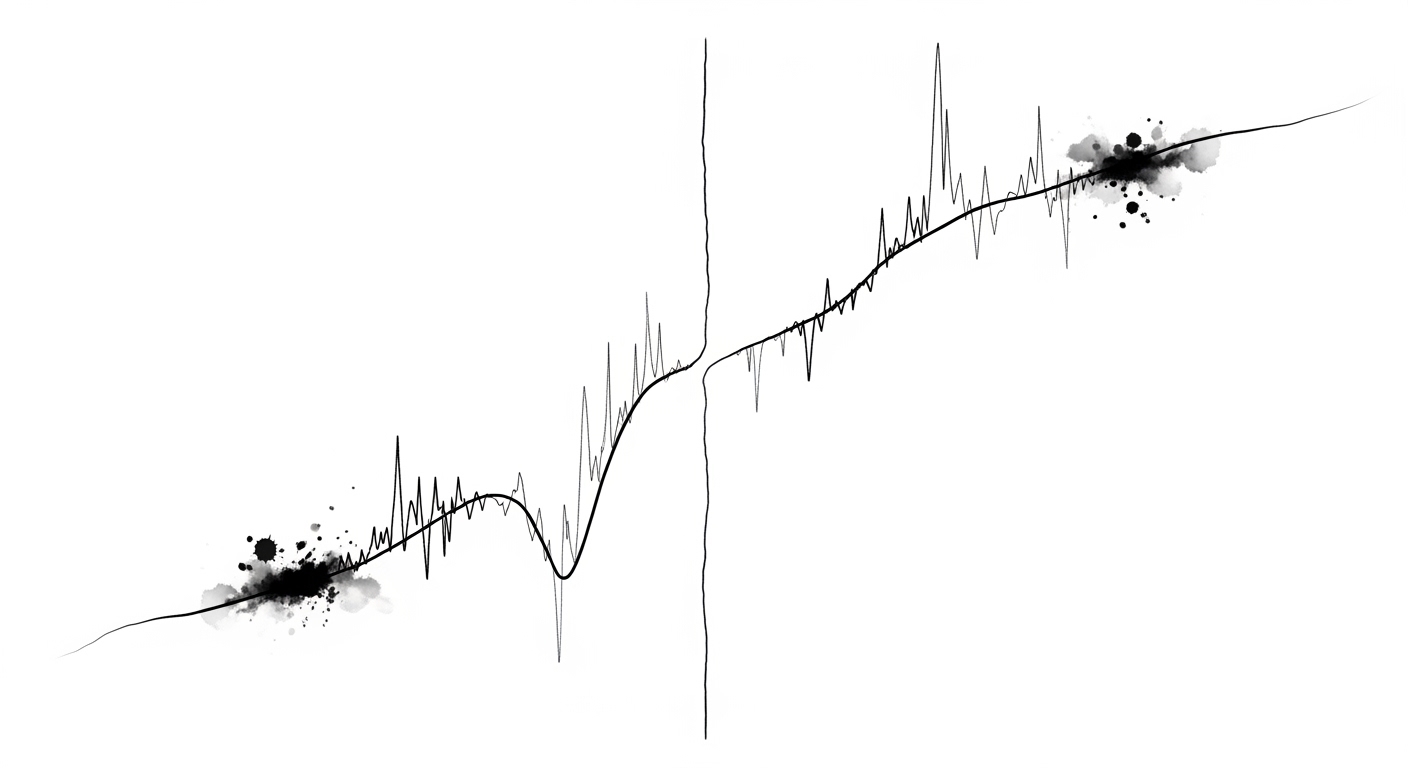
The Grief Timeline Paradox: Why You're Out of Sync
The Grief Timeline Paradox describes the inverse relationship between when many men and women experience peak breakup distress. It's not that one gender hurts more—it's that the pain arrives on different schedules.
Here's the typical pattern I've observed across hundreds of clients:
The Immediate Processing Timeline (More Common in Women):
Weeks 1-4: Peak Crisis - Acute emotional pain hits immediately - Sleep disruption, appetite changes, intrusive thoughts - Social support activated early (friends, family, therapy) - Nervous system in high alert, cortisol elevated - Observable behavior: Visible distress, talking about the breakup, seeking support
Weeks 5-8: Stabilization Begins - Emotional intensity starts decreasing - Sleep and appetite normalizing - Beginning to imagine life without ex - Cortisol levels dropping, nervous system adapting - Observable behavior: Returning to routines, fewer breakup conversations
Weeks 9-16: Genuine Recovery - Majority of acute pain resolved - Identity rebuilding actively happening - New interests, connections emerging - Nervous system recalibrated - Observable behavior: Genuinely doing better, not just performing recovery
The Delayed Processing Timeline (More Common in Men):
Weeks 1-4: The Functional Facade - Emotions suppressed or intellectualized - Immediate distraction through work, gym, dating, activities - Social circles activated but for distraction, not emotional processing - Nervous system still activated but symptoms channeled into activity - Observable behavior: Appears fine, active social life, "moving on" quickly
Weeks 5-8: The Performance Cracks - Distractions stop working as effectively - Emotional numbness starts feeling hollow - New relationship (if started) feels empty - Delayed cortisol response beginning - Observable behavior: Irritability, restlessness, "something's off but I can't name it"
Weeks 9-16: The Delayed Crash - Suppressed emotions surface forcefully - Grief hits with full intensity (often triggered by specific event) - Peak distress arrives 2-3 months post-breakup - Nervous system finally processing what was delayed - Observable behavior: Sudden distress, confusion about "why this hurts now," possible reconciliation attempts
This is The Paradox: When you're at Week 2 (your worst), they're at Week 2 (their functional facade). When they hit Week 12 (their crash), you're at Week 12 (your stabilization). You're experiencing opposite peaks.
I call this The Delayed Processing Window—the 8-16 week period when many men who initially appeared fine finally confront the grief they postponed.
The mechanism behind this isn't mysterious:
Why Delayed Processing Happens:
1. Socialization Patterns - Many men are socialized to view emotional expression as weakness - "Getting over it" quickly is framed as strength, resilience, masculinity - Vulnerability is reserved for romantic partners—when that person is gone, there's no "approved" outlet
2. Activity as Avoidance - Intense physical activity (gym, sports) provides temporary cortisol regulation - Work immersion creates distraction and sense of control - New dating/sex provides dopamine hits that mask underlying pain - All of these work... temporarily
3. The Suppression Backfire - Emotions don't disappear when suppressed—they accumulate - The nervous system eventually demands processing - When the crash comes, it's often more intense because it includes weeks of accumulated, unprocessed grief
I had a male client who seemed completely fine for 10 weeks post-breakup. New girlfriend, promotion at work, training for a marathon. Then in Week 11, he couldn't get out of bed. The trigger? His ex's birthday notification on Facebook. Suddenly, everything he'd been outrunning caught up.
He told me: "I thought I was over it. Why does this hurt more now than it did when she left?"
The answer: It doesn't hurt more. It hurts now because he finally stopped running.
Meanwhile, his ex (my other client) had been devastated for the first month but was genuinely stabilizing by Week 11. When he reached out during his crash, she was confused: "I thought he was fine. Why is he suddenly falling apart?"
This is the Paradox in action. Neither timeline is better or worse—they're just out of sync.
Understanding this stopped her from interpreting his delayed distress as proof he "finally realized what he lost." He was just processing on his timeline while she'd been processing on hers.
Key Insights: - The Grief Timeline Paradox: inverse peak distress schedules create illusion of differential pain - Immediate processing (common in women): crisis weeks 1-4, stabilization weeks 5-8, recovery weeks 9-16 - Delayed processing (common in men): functional facade weeks 1-4, performance cracks weeks 5-8, delayed crash weeks 9-16 - The Delayed Processing Window: 8-16 weeks when suppressed grief surfaces - Neither timeline indicates who hurt more—just when the pain was processed
Put It Into Practice: - Stop using your ex's apparent recovery as evidence against your own progress - If you're the immediate processor: your pain peaking early doesn't mean you're weak - If you're the delayed processor: functioning now doesn't mean you've skipped grief—it's likely coming - Track your recovery in Untangle Your Thoughts to manage your actual progress, not theirs
Key Points
- The Grief Timeline Paradox: many men and women experience peak distress on inverse schedules
- Immediate processing: crisis peaks weeks 1-4, stabilization begins weeks 5-8
- Delayed processing: functional facade weeks 1-4, delayed crash weeks 9-16
- The Delayed Processing Window: 8-16 weeks when suppressed emotions surface
- Socialization, activity avoidance, and suppression backfire create delayed timeline
Practical Insights
- Your ex appearing fine at Week 2 doesn't mean they're not hurting—they may be in delayed processing
- If you're crashing early (immediate processing), you'll likely stabilize before someone in delayed processing
- UseUntangle Your Thoughts to track your own timeline instead of comparing to your ex's visible behavior
- The Delayed Processing Window often brings reconciliation attempts—understand the mechanism before responding

Why Immediate Processing Feels Worse (But Isn't)
If you're someone who crashed hard immediately after the breakup—crying daily, unable to sleep, replaying every conversation—you might look at your ex's gym selfies and think: "Why am I so weak? Why can't I just move on like they did?"
You're not weak. You're processing in real-time. And while it feels worse in the moment, it's actually the more efficient recovery path neurologically.
Here's why immediate processing, despite being painful, serves recovery:
The Neurological Advantage of Immediate Processing:
1. Your Nervous System Gets the Signal - When you feel and express grief immediately, your nervous system recognizes the relationship has ended - Cortisol spikes, then begins to normalize as you process - Your brain starts forming new neural pathways that don't include your ex - Recovery timeline: 60-90 days for significant nervous system recalibration
2. Social Support When You Need It Most - Immediate distress activates your support network early - Friends and family provide the co-regulation your nervous system needs - Talking about the breakup isn't weakness—it's how humans process attachment disruption - You're accessing the resources that accelerate healing when pain is highest
3. No Delayed Crash Waiting - The worst is happening now, which means you won't be ambushed by delayed grief in 3 months - Your recovery trajectory is upward from here - You're not building up a backlog of unprocessed emotions that will demand attention later
But here's what makes immediate processing feel so much worse than delayed processing:
The Visibility Problem:
When you're processing immediately, everyone can see it. You're crying at work. You're posting sad songs. You're declining social invitations. Your pain is visible, which triggers: - Shame ("I should be stronger") - Comparison ("They're fine, why aren't I?") - Social pressure ("It's been two weeks, aren't you over it yet?") - Self-judgment ("I'm pathetic")
Meanwhile, someone in delayed processing appears strong, resilient, "handling it well." Their pain is invisible because it hasn't arrived yet. They get social validation ("Wow, you're doing so great!") while you get concern or impatience.
This visibility gap makes it seem like they're recovering better when really, they're just not recovering yet.
I had a client who was in Week 3 of immediate processing—barely functional, crying daily. Her ex was already dating someone new, posting happy photos, seemed completely fine. She told me: "He clearly never loved me. If he did, he'd be as destroyed as I am."
Four months later, he had a breakdown. The rebound relationship ended, and he finally processed everything he'd been avoiding. He reached out to her, devastated, wanting to reconcile.
By then, she was genuinely over him. She'd done her grief work in Weeks 1-8. He was doing his in Weeks 16-20.
She told me: "I wasted so much energy in Week 3 thinking his lack of visible pain meant he didn't care. Now I see—he was just delaying what I was facing head-on."
That's The Grief Timeline Paradox in action.
The Hidden Cost of Delayed Processing:
While delayed processing looks easier externally, it has significant downsides:
- Longer Total Recovery: Delaying processing doesn't skip it—it extends it. Immediate processors are often genuinely recovered by Week 12. Delayed processors often don't start real recovery until Week 12.
- Interference with New Relationships: Starting a new relationship before processing the old one means carrying unresolved attachment patterns forward. The new person becomes a bandaid, not a partner.
- Accumulated Emotional Debt: Suppressed emotions don't disappear—they accumulate interest. The eventual crash is often more intense because it includes weeks of backlogged grief.
- Physical Health Impact: Chronic cortisol elevation (from suppressing emotions) has documented health consequences: sleep disruption, immune suppression, cardiovascular stress.
Immediate processing hurts intensely in the short term. Delayed processing hurts less immediately but extends the total pain timeline and adds health costs.
Neither is wrong. But if you're an immediate processor, stop interpreting your pain as pathology. You're doing the hard work now instead of later.
How to Support Your Immediate Processing:
1. Track Progress, Not Performance - Your ex's visible "doing great" isn't the metric that matters - Track your own markers: sleep quality, intrusive thought frequency, ability to focus - Use Untangle Your Thoughts to document actual improvements over time - You'll see you're progressing even when it doesn't feel like it
2. Validate the Timeline - Weeks 1-4 being brutal is normal for immediate processing - Crying daily isn't weakness—it's your nervous system metabolizing cortisol - Needing support isn't pathetic—it's how humans are designed to heal from attachment disruption
3. Protect Yourself from Comparison - Mute/unfollow your ex on social media (their visible timeline isn't their actual experience) - When friends say "they seem fine," respond: "They're in delayed processing. I'm doing mine now." - Stop attending to their recovery timeline—it's irrelevant to yours
4. Use the Immediate Access Window - Your pain is high, which means your motivation to change patterns is also high - This is the optimal time for therapy, structured journaling, and deep personal work - Delayed processors often miss this window because they're not feeling enough pain to drive change
You're not falling apart. You're falling together in real-time. That's the difference.
Key Insights: - Immediate processing is neurologically efficient: crisis peaks early, recovery begins sooner - Visibility problem makes immediate processing seem worse (everyone sees your pain) - Delayed processing extends total recovery timeline and adds health costs - Social support activation during immediate processing accelerates healing - Crying, needing support, and visible distress are features, not bugs, of healthy grief processing
Put It Into Practice: - Stop using your ex's social media as evidence of their recovery (you're seeing facade, not reality) - Track your own progress markers: sleep, intrusive thoughts, ability to focus, not their Instagram - Use Untangle Your Thoughts to document improvements you can't feel yet - Reframe: "I'm doing my grief work now" instead of "Why can't I be strong like them?"
Key Points
- Immediate processing signals nervous system to begin recovery (cortisol spike → normalization)
- Visibility problem: your pain is seen, theirs is delayed and hidden
- Delayed processing extends total recovery timeline (doesn't skip grief, postpones it)
- Social support activated during peak distress accelerates healing
- Immediate processors often fully recovered by Week 12; delayed processors often starting recovery at Week 12
Practical Insights
- Your visible pain isn't weakness—it's real-time processing that leads to faster recovery
- Track your progress using objective markers (sleep quality, thought frequency) not your ex's social media
- Use Untangle Your Thoughts to document improvements during immediate processing
- Reframe crying/support-seeking as nervous system doing its job, not personal failure

The Delayed Crash: What Happens When Suppression Fails
If you're reading this and thinking, "I'm the one who seemed fine—now I'm falling apart and don't understand why," you're experiencing The Delayed Processing Window.
The distraction worked for a while. The gym, the work projects, maybe the rebound relationship—all of it kept the grief at bay. Then something shifted. A song, a smell, a random memory, and suddenly you're devastated in a way you weren't when the actual breakup happened.
This isn't weakness or regression. This is your nervous system finally doing what it needed to do all along: process the loss.
Here's what happens during The Delayed Crash:
The Trigger Event (Often Small, Always Specific):
- Ex's birthday or anniversary date arrives - You see them with someone new (in person or social media) - A song that was "your song" plays unexpectedly - You visit a place you used to go together - The rebound relationship ends, removing the distraction - A holiday or family event highlights their absence - Someone asks about them, and lying becomes exhausting
The trigger itself isn't the problem. The problem is the accumulated grief that's been waiting for an opening.
I call this The Accumulation Effect: every day you suppressed an emotion about the breakup added to a reservoir of unprocessed grief. The trigger doesn't create the pain—it opens the floodgate to everything you've been holding back.
What The Delayed Crash Feels Like:
- Sudden Intensity: The pain feels more intense than it did initially (because it includes weeks of accumulated emotion) - Confusion: "Why does this hurt more now than when it happened?" - Shame: "I thought I was over this. What's wrong with me?" - Urgency: Strong impulse to reach out to ex, reconcile, "fix" the pain immediately - Physical Symptoms: The cortisol spike you avoided earlier arrives now—sleep disruption, appetite changes, physical exhaustion - Social Isolation: You withdrew from support early (you were "fine"), now you feel like you can't ask for help ("It's been 3 months, I should be over this")
This is why the delayed crash often feels worse than immediate processing—you're experiencing the full intensity of grief plus isolation plus shame about the timeline.
I had a client (male, 34) who seemed completely unaffected by his 5-year relationship ending. Started dating within two weeks, told everyone he was "relieved it was over," threw himself into a major work project.
Week 13: He was supposed to attend his ex's sister's wedding (they'd RSVP'd months before the breakup). He didn't go. That night, he had a panic attack—first one in his life. The accumulated grief of 13 weeks hit him all at once.
He told me: "I feel like I'm going crazy. The breakup was my decision. I have a new girlfriend. Why am I suddenly destroyed about someone I left three months ago?"
Because suppression isn't the same as resolution. His nervous system finally stopped accepting the "I'm fine" story and demanded he feel what he'd been avoiding.
The Reconciliation Impulse:
The Delayed Processing Window often triggers reconciliation attempts. Here's the mechanism:
1. You feel intense pain for the first time 2. Your brain associates your ex with pain relief (they were your comfort source) 3. Reaching out feels like the logical solution to the distress 4. You convince yourself: "I realize now what I lost" or "I finally see their value"
But what's actually happening: you're in acute grief for the first time, and your brain wants the fastest route to relief—reconnecting with your attachment figure.
This is different from genuine reconciliation desire. This is panic.
If you're experiencing delayed crash and considering reaching out:
Wait 30 Days Rule: - When the delayed crash hits, commit to 30 days of no contact before evaluating reconciliation - Use those 30 days to process the grief you've been avoiding - After 30 days of actual processing, reassess whether you want them back or just want the pain to stop - Most people who wait the 30 days realize they don't want reconciliation—they wanted relief from delayed grief
How to Navigate The Delayed Crash:
1. Recognize It for What It Is - This isn't new information about the relationship - This is old information finally being processed - You're not "going backwards"—you're finally going through what you postponed
2. Activate Support Now - The support you didn't need in Week 1? You need it now. - Tell trusted people: "I thought I was fine. I'm not. I need help." - There's no shame in delayed processing—only in continuing to avoid it
3. Create Structure for Processing - Daily to externalize what you've been internalizing. Untangle Your Thoughts to help process delayed emotions systematically - Track triggers: what specifically brings up the grief? Pattern recognition helps.
4. Resist Immediate Relief Strategies - Don't start another rebound relationship to escape this grief too - Don't reach out to your ex (read: Should You Text Your Ex? - Don't numb with alcohol, overwork, or other avoidance tactics - You tried avoidance—it brought you here. Try processing instead.
5. Expect a Compressed Timeline - The delayed crash is intense but typically shorter than immediate processing - You're experiencing 8-12 weeks of grief in 3-4 weeks - It feels worse because it's compressed, not because you're doing it wrong - Most delayed processors stabilize within 4-6 weeks of the crash
Your nervous system is wiser than your avoidance strategies. It knew this grief needed processing, and it waited until you had an opening. Now that the opening is here, let it do its work.
Key Insights: - The Delayed Crash: accumulated grief surfaces when suppression fails (typically weeks 8-16) - Trigger events are small, but they open floodgate to accumulated unprocessed emotion - The Accumulation Effect: suppressed emotions don't disappear—they add up - Delayed crash often triggers reconciliation impulses (brain seeking relief, not relationship) - Wait 30 Days Rule: process delayed grief before evaluating reconciliation desire
Put It Into Practice: - If experiencing delayed crash, recognize it's delayed processing, not regression - Activate support now (the help you didn't need early? You need it now) - Use Untangle Your Thoughts to process accumulated emotions - Apply Wait 30 Days Rule before any contact with ex during delayed crash - Expect compressed timeline: intense but shorter than immediate processing (4-6 weeks)
Key Points
- The Delayed Crash: when suppression fails and accumulated grief surfaces (weeks 8-16 typical)
- Trigger events are small but open floodgate to accumulated unprocessed emotion
- The Accumulation Effect: suppressed emotions add up over time, creating intense crash
- Delayed crash often triggers reconciliation impulses (brain seeking relief, not relationship)
- Compressed timeline: experiencing 8-12 weeks of grief in 3-4 weeks
Practical Insights
- If delayed crash hits, recognize it's delayed processing finally happening, not weakness
- Use Untangle Your Thoughts process accumulated emotions
- Apply Wait 30 Days Rule before contacting ex during delayed crash (read: Should You Text Your Ex?)
- Activate support now—tell people you need help even if you seemed fine earlier

Beyond Gender: Your Personal Recovery Timeline
Everything I've described about immediate vs. delayed processing are patterns, not rules. Many women delay grief. Many men process immediately. Gender socialization influences the likelihood of each pattern, but it doesn't determine your personal experience.
What matters more than gender is understanding your processing style so you can work with it instead of against it.
The Four Processing Patterns (Beyond Gender):
1. The Immediate Processor (Most Common in Women, But Not Exclusive) - Grief hits hard within days of breakup - Peak distress: Weeks 1-4 - Activates support systems early - Visible emotional expression - Recovery trajectory: upward from Week 5 onward - Your advantage: You're doing the work when motivation is highest - Your challenge: Managing shame about visibility of pain
2. The Delayed Processor (More Common in Men, But Not Exclusive) - Functional facade for weeks/months - Peak distress: Weeks 8-16 - Suppresses emotions through activity/distraction - Invisible suffering - Recovery trajectory: delayed start but compressed timeline - Your advantage: You maintain functionality during initial weeks - Your challenge: Accessing support when crash finally hits
3. The Oscillator - Alternates between immediate and delayed processing - Some days: intense grief. Other days: total numbness. - Unpredictable peaks and valleys - Recovery trajectory: non-linear, longer overall timeline - Your advantage: You get breaks from intensity - Your challenge: The unpredictability feels destabilizing
4. The Gradual Processor - Steady, moderate grief throughout - No dramatic peaks or crashes - Consistent low-level emotional processing - Recovery trajectory: slow and steady - Your advantage: No overwhelming crashes to navigate - Your challenge: Can feel like you're "stuck" because there's no dramatic improvement
Most people are a hybrid. You might process some aspects immediately (the logistics, the social changes) while delaying others (the emotional attachment, the identity shift).
How to Identify Your Pattern:
Use Lunar Insight or Untangle Your Thoughts to track:
1. Emotional Intensity by Week - Rate your distress daily (1-10 scale) - After 4 weeks, look for pattern: immediate peak? delayed? oscillating? gradual?
2. Trigger Identification - What situations bring up grief most intensely? - Are triggers consistent or changing over time? - Do you have Vulnerability Windows (specific times grief hits harder)?
3. Support Activation - When did you first tell people you were struggling? - Are you using support or isolating? - Has your support need changed over time?
4. Activity Patterns - Are you diving into distractions or sitting with feelings? - Has your activity level changed since the breakup? - Are distractions helping or delaying?
After 4-6 weeks of tracking, you'll see your personal pattern emerge. Once you see it, you can work with it.
Working With Your Pattern:
If You're an Immediate Processor: - Give yourself permission for the intensity of Weeks 1-4 - Use support heavily during peak (it won't always be this hard) - Track progress in journal (you're improving faster than it feels) - Protect yourself from comparison (your visible pain ≠ their invisible pain) - Know this: Week 8 you will be genuinely better. Trust the process.
If You're a Delayed Processor: - Don't mistake functional facade for genuine recovery - Schedule grief time even when you don't "feel" it yet (prevention, not reaction) - Build support network before the crash (don't wait until Week 10 to tell people you're struggling) - Notice what you're avoiding (rebound relationships, overwork, constant activity) - Know this: The crash is coming. Prepare for it instead of being ambushed.
If You're an Oscillator: - The unpredictability is your pattern (not evidence you're broken) - Track good days and bad days to find hidden patterns (Moon phases? Social events? Triggers?) - Use Lunar Insight; to map emotional cycles against natural rhythms - Build support that can handle: "I was fine yesterday, I'm not fine today" - Know this: Non-linear recovery is still recovery. You're not going backwards.
If You're a Gradual Processor: - Resist pressure to "have a breakthrough" (your pace is valid) - Celebrate small improvements (they add up over time) - Don't compare to dramatic recovery stories (your steady path works too) - Build sustainable practices (you're in this for months, not weeks) - Know this: Slow and steady often leads to more stable long-term recovery.
The Comparison Trap:
The worst thing you can do for your recovery is measure it against someone else's timeline—especially your ex's.
Your ex might be immediate processing while you're delayed (or vice versa). They might be oscillating while you're gradual. You might both be immediate processors but with different peak intensities.
None of that data is useful to you.
What matters: - Are you improving compared to your Week 1? - Are you accessing support when you need it? - Are you processing (even slowly) or avoiding (even functionally)? - Are you being honest with yourself about your emotional state?
Stop comparing. Start tracking. Your recovery timeline is the only one that matters for your healing.
Key Insights: - Four processing patterns: Immediate, Delayed, Oscillator, Gradual (gender influences but doesn't determine) - Most people are hybrids: process some aspects immediately, delay others - Tracking emotional intensity, triggers, support use, and activity reveals your personal pattern - Working with your pattern (not fighting it) accelerates recovery - The Comparison Trap: measuring your timeline against anyone else's sabotages your healing
Put It Into Practice: - Track emotional intensity daily for 4 weeks using Untangle Your Thoughts to identify your pattern - If oscillating, use Lunar Insight to map emotional cycles against natural rhythms - Stop attending to your ex's recovery timeline (mute social media, stop asking mutual friends) - Measure progress against your Week 1, not their current state - Work with your pattern: give yourself what you need at each stage
Key Points
- Four processing patterns: Immediate (peak weeks 1-4), Delayed (peak weeks 8-16), Oscillator (unpredictable), Gradual (steady moderate)
- Gender influences pattern likelihood but doesn't determine individual experience
- Most people are hybrids: process some aspects immediately, delay others
- Tracking emotional intensity, triggers, support, and activity reveals personal pattern
- The Comparison Trap: measuring recovery against ex's timeline sabotages healing
Practical Insights
- Track daily emotional intensity for 4 weeks to identify your processing pattern
- Use Untangle Your Thoughts for immediate/delayed/gradual tracking
- Use Lunar Insight< for oscillating pattern to map cycles
- Stop comparing your timeline to your ex's (mute social media, stop asking mutual friends)
- Measure progress against your Week 1, not anyone else's current state
Frequently Asked Questions
Do men hurt less after breakups than women?
No. Men and women typically hurt the same amount but often on different timelines. Many men experience delayed grief processing (crash at weeks 8-16) while many women process immediately (crisis weeks 1-4). The Grief Timeline Paradox makes it seem like men hurt less because their pain isn't visible early, but it's just postponed, not absent.
Why does my ex seem fine while I'm falling apart?
You're likely witnessing The Grief Timeline Paradox: many people process breakup grief on inverse schedules. If you're in immediate processing (weeks 1-4 crisis), your ex may be in delayed processing (functional facade). Their apparent ease isn't proof they don't care—it's often delayed grief that will surface in weeks 8-16.
How long does it take for men to realize what they lost?
This question assumes delayed processing equals 'realization,' which isn't accurate. Many men process grief on a delayed timeline (The Delayed Processing Window: weeks 8-16), meaning the emotional impact hits later, not that understanding arrives later. When delayed processors crash, it's not sudden realization—it's delayed grief finally being processed.
Is it better to process grief immediately or delay it?
Immediate processing is neurologically more efficient (crisis peaks early, recovery begins sooner), but both patterns are valid. Immediate processing hurts intensely upfront but leads to faster overall recovery. Delayed processing maintains functionality initially but extends total recovery timeline and often results in more intense compressed grief later. Neither is 'better'—work with your pattern, don't fight it.
What is the delayed processing window after a breakup?
The Delayed Processing Window is the 8-16 week period when suppressed breakup grief typically surfaces for people who delayed immediate emotional processing. During this window, accumulated emotions demand attention, often triggered by small events. The crash feels intense because it includes weeks of unprocessed grief hitting all at once.
Why am I suddenly devastated about my ex months later?
You're likely experiencing The Delayed Crash—when suppressed emotions surface after weeks of functional facade. This happens because delayed processing doesn't skip grief, it postpones it. The Accumulation Effect means suppressed emotions add up over time, and when a trigger opens the floodgate, you experience compressed, intense grief. This is normal delayed processing, not regression.
Should I reach out to my ex during a delayed grief crash?
No. Apply the Wait 30 Days Rule: when delayed crash hits, commit to 30 days of processing before evaluating reconciliation. During delayed crash, your brain associates your ex with pain relief (they were your comfort source), making reconciliation feel urgent. This is panic seeking relief, not genuine reconciliation desire. Most people who wait 30 days realize they wanted relief from grief, not the relationship back.
How do I know if I'm an immediate or delayed processor?
Track emotional intensity daily for 4 weeks. Immediate processors: peak distress weeks 1-4, stabilization begins week 5+. Delayed processors: functional facade weeks 1-4, crash weeks 8-16. Oscillators: unpredictable waves between intense and numb. Gradual processors: steady moderate grief throughout. Use Untangle Your Thoughts to track your pattern—most people are hybrids.
Conclusion
Your ex isn't handling the breakup better than you. You're just processing on different schedules.The Grief Timeline Paradox means you'll likely never see each other at your lowest points. When you're crashing (Week 2), they seem fine (delayed processing facade). When they crash (Week 12), you're stabilizing (immediate processing recovery).This creates the illusion that they're less affected, stronger, more resilient—or that they never cared.None of that is true.Whether you're an immediate processor (pain hits hard early), a delayed processor (crash comes later), an oscillator (unpredictable waves), or a gradual processor (steady low-level grief)—your pattern is valid. The goal isn't to process like someone else. The goal is to actually process, in whatever way works for your nervous system.Stop measuring your healing against your ex's social media. Stop interpreting their apparent recovery as evidence against your own progress. Stop using their timeline to judge your pain.Track your own recovery. Use Untangle Your Thoughts to document improvements you can't feel yet. If you're oscillating, use Lunar Insight< to map the pattern.Your recovery is happening, even when it doesn't look like theirs. Trust your timeline. Process your grief. Let them process theirs.The only comparison that matters is: Are you better than you were last week?