Commitment Fear After a Breakup: The Reasons Behind the Pull-Away
Introduction
You want a real relationship. And the moment one starts to become real — when someone is consistent, available, asking for more — something in you flinches and looks for the exit. The contradiction is confusing enough that it's easy to decide you're just broken at relationships.You're not. Pulling away from connection is a protective response, and protective responses have reasons. Find the reason and you can work with it.
Quick Answer: Commitment fear is rarely a fear of commitment itself — it's a fear of what your history has taught you commitment leads to. The pull-away is a learned protection, and it usually traces to one of a few specific roots:
1. The attachment wound — closeness once came with hurt, so closeness now signals danger
2. The autonomy fear — commitment once meant losing yourself, so it threatens your identity
3. The betrayal residue — trust was broken, so vulnerability feels unsafe
Naming which root is driving you turns a vague "I'm bad at this" into a specific, workable problem.
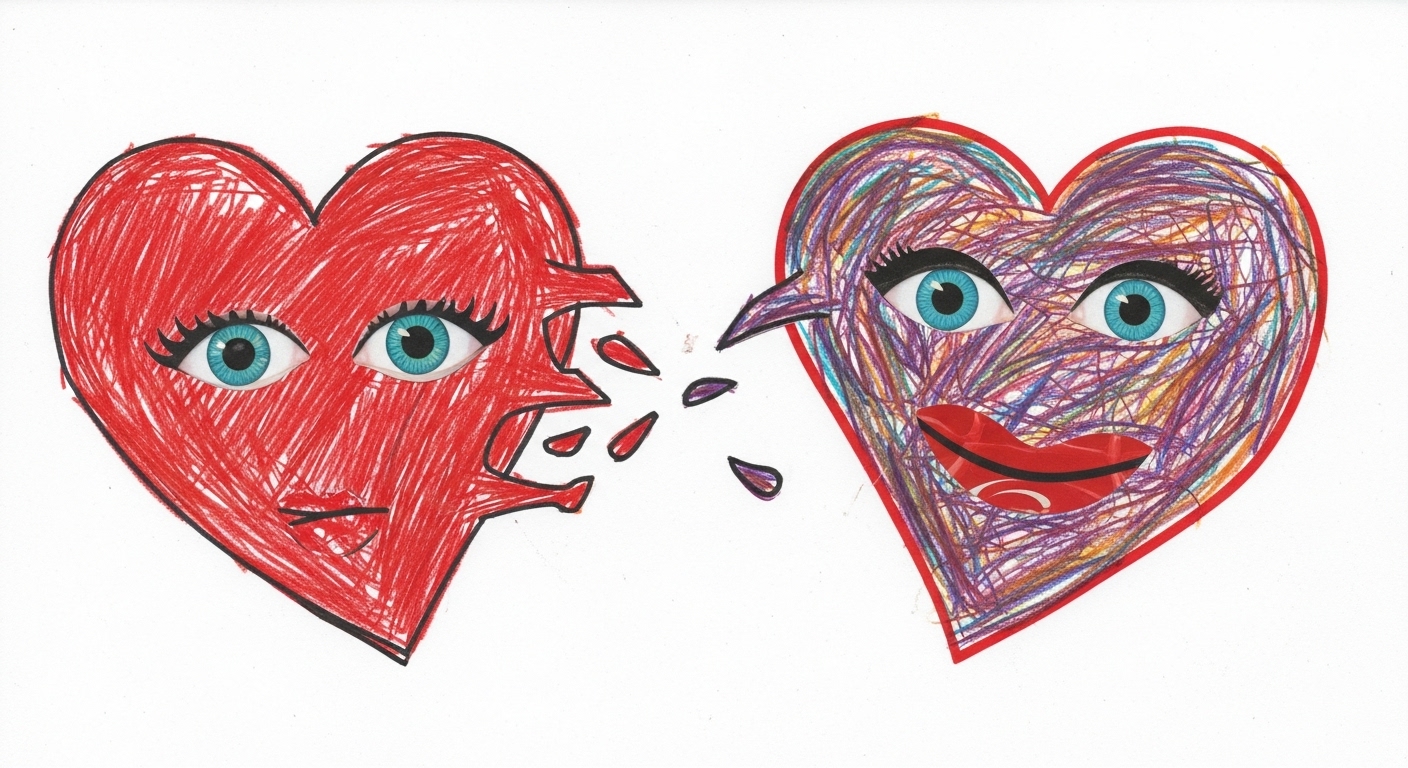
The Pull-Away Is Protection, Not a Flaw
The wanting-connection-but-fleeing-it pattern feels like self-sabotage, but it's actually self-protection running on old information. At some point, closeness taught your system that it leads to pain, and now your system flags closeness as a threat and pulls you back before you can get hurt again. The flinch is the protection firing.
This is why willpower and shame don't fix it. Telling yourself to "just commit" argues with the conscious part while the protective part keeps running underneath, so you override yourself, panic, and pull away anyway — then add a layer of self-blame on top. The pattern isn't a character defect; it's an outdated safety response.
The shift that actually helps is curiosity instead of judgment: rather than "why am I like this," ask "what is this protecting me from?" That question turns a vague sense of brokenness into a specific, locatable cause. The trauma-rooted version of this protection has its own deeper treatment in Trauma and Commitment Anxiety.
Key Insights: - The pull-away from connection is self-protection running on old information - Closeness once led to pain, so the system flags closeness as a threat - Willpower and shame don't fix it because the protective part runs underneath - Curiosity ("what is this protecting me from?") locates the cause; judgment doesn't
Put It Into Practice: - Reframe the pull-away as protection, not self-sabotage or a flaw - When you flinch from closeness, ask what it's protecting you from - Drop the "just commit" pressure that only adds self-blame
Key Points
- The pull-away is protection running on old information
- Closeness once led to pain, so it now reads as threat
- Willpower and shame don't fix a protective response
- Curiosity locates the cause where judgment can't
Practical Insights
- Reframe the pull-away as protection
- Ask what the flinch is protecting you from
- Drop the 'just commit' self-blame

The Three Roots: Find Which One Is Yours
Commitment fear usually traces to one dominant root. Naming yours tells you what the work actually is.
The attachment wound. If early or formative relationships paired love with inconsistency, withdrawal, or pain, your system learned that closeness is unsafe. The tell: the fear spikes as intimacy deepens — you're fine while it's casual and anxious once it's real. The work is teaching your system that this closeness is different, slowly, through evidence of consistency.
The autonomy fear. If a past relationship meant losing yourself — your time, your identity, your independence absorbed into a partner — commitment now registers as a threat to your selfhood, not your safety. The tell: you feel trapped or smothered as things get serious, and crave space the moment you get close. The work is learning that a healthy relationship can hold both intimacy and autonomy, which is the balance in Boundaries in New Relationships.
The betrayal residue. If trust was broken — infidelity, deception, a partner who turned out to be someone else — vulnerability now feels like exposure. The tell: you withhold, test, or stay guarded specifically around trust and honesty. The work is rebuilding the capacity to trust deliberately, on evidence, covered in Overcoming Trust Issues. These roots can overlap, but one usually leads — and identifying it is what makes the fear addressable.
Key Insights: - Commitment fear usually traces to one dominant root, with naming it as the key step - The attachment wound: closeness equals danger; fear spikes as intimacy deepens - The autonomy fear: commitment equals losing yourself; you feel trapped as it gets serious - The betrayal residue: trust was broken; vulnerability now feels like exposure
Put It Into Practice: - Identify which root fits your tell: danger, lost self, or broken trust - Match the work to the root — consistency, autonomy-within-intimacy, or rebuilding trust - If trauma is the source, treat it as trauma, not as a willpower problem
Key Points
- Commitment fear usually traces to one dominant root
- Attachment wound: fear spikes as intimacy deepens
- Autonomy fear: you feel trapped as it gets serious
- Betrayal residue: vulnerability feels like exposure
Practical Insights
- Identify your root from its tell
- Match the work to the root
- Treat trauma-rooted fear as trauma

Working With the Fear Instead of Against It
Once you know the root, the goal isn't to eliminate the fear but to keep it from driving — to stay present when the pull-away fires.
Name it in the moment. When the urge to flee shows up, label it: "this is my protection firing, not a signal that I should leave." That naming creates a gap between the feeling and the action, so the old response stops automatically becoming a decision. The same labeling move is in Mindfulness After a Breakup.
Go at the speed of safety, not avoidance. The fix isn't to white-knuckle past the fear or to flee it — it's to move slowly enough that your system gathers evidence that this closeness is safe. Pacing the relationship to real evidence lets the protective response update, which is the deliberate pace in The Dating Readiness Assessment.
Tell a partner what's happening. The pull-away reads as rejection from the outside, so a partner who doesn't know the pattern takes it personally and the cycle worsens. Saying "when things get close I sometimes pull back — it's an old pattern, not about you" turns a confusing dynamic into something you can navigate together. Deeper roots, especially trauma, are worth working with a professional. Track when the pull-away fires and which root it traces to in Untangle Your Thoughts.
Key Insights: - The goal is to keep the fear from driving, not to eliminate it - Naming the pull-away in the moment creates a gap between feeling and action - Moving at the speed of safety lets the protective response update on evidence - Telling a partner reframes the pull-away from rejection to a shared, navigable pattern
Put It Into Practice: - Label the urge to flee as protection firing, not a decision to leave - Pace the relationship to gather evidence of safety rather than fleeing or forcing - Tell a partner about the pattern so it isn't read as rejection
Key Points
- The goal is to keep the fear from driving, not erase it
- Naming the pull-away creates a gap between feeling and action
- Moving at the speed of safety updates the protective response
- Telling a partner reframes the pull-away from rejection
Practical Insights
- Label the urge to flee as protection
- Pace to evidence of safety, not avoidance
- Tell a partner so it isn't read as rejection
Frequently Asked Questions
Why do I pull away when a relationship gets serious?
Because pulling away is a protective response running on old information — at some point closeness taught your system that it leads to pain, so it now flags deepening intimacy as a threat and pulls you back before you can get hurt. It feels like self-sabotage but it's self-protection. The fix isn't willpower; it's identifying what the pull-away is protecting you from and working that root.
What causes fear of commitment?
It usually traces to one of three roots: an attachment wound (early relationships paired love with inconsistency or hurt, so closeness signals danger), an autonomy fear (a past relationship meant losing yourself, so commitment threatens your identity), or betrayal residue (trust was broken, so vulnerability feels like exposure). They can overlap, but one usually leads — and naming it turns a vague "I'm bad at this" into a specific, workable problem.
Is fear of commitment a sign something is wrong with me?
No. It's a learned safety response, not a character defect. Your system adapted to protect you based on real past experience; it's just running on outdated information now. Approaching it with curiosity ("what is this protecting me from?") rather than shame is what actually makes it addressable — shame and "just commit" pressure only add a layer of self-blame on top.
How do I overcome commitment fear?
Keep the fear from driving rather than trying to eliminate it. Name the pull-away in the moment ("this is protection firing, not a signal to leave") to create a gap between the feeling and acting on it, move at the speed of safety so your system gathers evidence that this closeness is safe, and tell a partner about the pattern so it isn't read as rejection. Deeper, trauma-rooted versions are worth working through with a professional.
Should I tell a new partner about my commitment fear?
Generally yes, in simple terms. From the outside the pull-away looks like rejection, so a partner who doesn't know the pattern takes it personally and the cycle worsens. Saying something like "when things get close I sometimes pull back — it's an old pattern, not about you" turns a confusing dynamic into something you can navigate together rather than something that quietly erodes the relationship.
Conclusion
Wanting connection but pulling away when it gets real isn't a flaw — it's an old protection firing on outdated information. The reasons behind it usually trace to one root: an attachment wound (closeness equals danger), an autonomy fear (commitment equals losing yourself), or betrayal residue (vulnerability equals exposure). Name the root, then work with the fear instead of against it — label the pull-away in the moment, move at the speed of safety, and tell a partner so it isn't read as rejection.For the trauma-rooted version go to Trauma and Commitment Anxiety, for the betrayal root see Overcoming Trust Issues, and track when the pull-away fires in Untangle Your Thoughts.