Boosting Your Breakup Challenge Motivation: Overcoming Obstacles for Lasting Healing
Introduction
Embarking on a 30-day breakup challenge is a brave step towards healing, but let’s be real – it’s tough. You’re bound to face emotional challenges and moments where your breakup challenge motivation wanes. This journey calls for immense breakup strength and healing resilience. We’ll explore how to stay motivated breakup after breakup, overcome breakup obstacles, and navigate those 30 day challenge struggles to achieve consistent recovery, avoiding relapse and building lasting emotional strength. Let’s tackle these hurdles together!
Understanding the Emotional Rollercoaster of Your Breakup Challenge Motivation
Embarking on a 30-day breakup challenge often starts with a powerful surge of motivation. You’re feeling empowered, ready to reclaim your life, and determined to stick to your goals. This initial burst of “breakup challenge motivation” is fantastic and crucial for kickstarting your healing journey. However, it’s vital to acknowledge a truth that many overlook: your motivation will not remain at that peak level. Healing isn’t a straight line; it’s more like a rollercoaster, complete with exhilarating highs and daunting lows.
There will be days when you wake up feeling strong, ready to tackle anything, and your commitment to the challenge feels unwavering. Then, there will be other days – perhaps triggered by a memory, a lonely evening, or simply a wave of grief – when your “breakup challenge motivation” plummets. You might feel like giving up, questioning the point of it all, or even just wanting to crawl back into bed and ignore the world. This emotional fluctuation is not a sign of failure; it’s a completely normal part of processing a breakup. Your brain and heart are working overtime to adjust to a new reality, and that takes immense energy.
Understanding this rollercoaster is the first step to navigating it successfully. Don’t beat yourself up when motivation wanes. Instead, recognize it as a temporary dip and prepare strategies to gently nudge yourself back on track. This might involve revisiting your initial ‘why’ for starting the challenge, leaning on your support system, or simply allowing yourself a moment of compassion before redirecting your energy. Sustaining your “breakup challenge motivation” over the full 30 days means learning to ride these waves, not expecting calm seas. Embrace the ebbs and flows, knowing each moment, good or challenging, is moving you forward in your healing journey.
Key Points
- Initial breakup challenge motivation is powerful but rarely sustained at its peak.
- Emotional fluctuations, including dips in motivation, are a normal and expected part of the healing process.
- Recognize that waning motivation is not a sign of failure but a temporary dip.
- Understanding the cyclical nature of motivation helps in navigating the breakup challenge effectively.
- Sustaining motivation involves acknowledging lows and having strategies to gently redirect yourself.
Practical Insights
- Prepare for inevitable dips in your motivation by having go-to coping mechanisms ready, like a specific playlist, a comforting friend to call, or a list of your challenge’s original goals.
- Practice self-compassion on days when your motivation is low; instead of self-criticism, acknowledge your feelings and gently encourage small, manageable actions.
- Break down your 30-day challenge into smaller, daily or weekly goals to make progress feel more achievable, which can help in maintaining consistent breakup challenge motivation.
Practical Strategies to Reignite Your Breakup Challenge Motivation Daily
Maintaining your breakup challenge motivation day after day can feel like an uphill battle, especially when emotions are running high. It’s completely normal to experience dips in your resolve, but the key to staying strong is equipping yourself with practical strategies to reignite that spark daily. Think of your 30-day challenge not as a rigid test of willpower, but as a journey of intentional healing that requires consistent, gentle effort.
One powerful strategy is to break down your challenge into smaller, more digestible segments. Instead of focusing on the daunting 30-day horizon, celebrate making it through today. Then, tomorrow, focus on just that day. Setting micro-goals, like dedicating 15 minutes to journaling, going for a walk, or intentionally avoiding checking your ex’s social media for a few hours, can create a sense of accomplishment that builds momentum. Each small victory reinforces your commitment and boosts your breakup challenge motivation.
Building a robust support system is another non-negotiable. This isn’t a solo mission. Lean on trusted friends, family, or a professional therapist who can offer encouragement, listen without judgment, and remind you of your progress when you feel stuck. Having someone to share your struggles and triumphs with can significantly lighten the emotional load and provide the external validation needed to keep pushing forward.
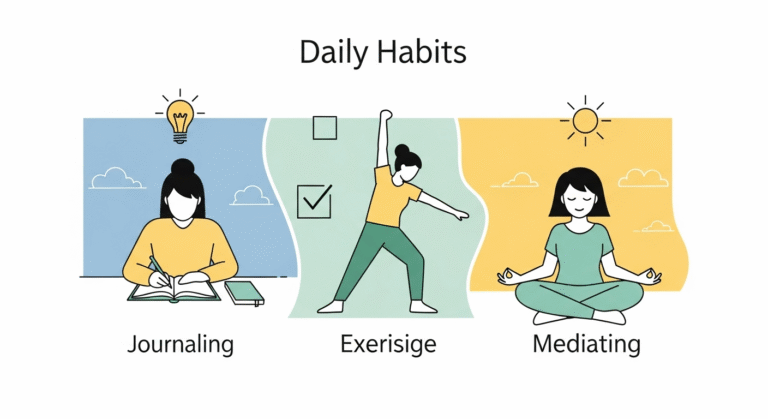
Cultivating daily rituals of self-care and mindfulness can dramatically impact your energy levels and mindset. Whether it’s a morning meditation, a short burst of exercise, listening to empowering music, or engaging in a creative hobby, these practices serve as anchors. They ground you, provide healthy distractions, and help you process emotions constructively, preventing burnout and keeping your breakup challenge motivation vibrant. Remember, this time is about rediscovering you.
Finally, always reconnect with your ‘why.’ What prompted you to start this 30-day challenge in the first place? Was it to heal, to regain your independence, to break unhealthy patterns, or to simply find peace? Journal about these reasons, create a vision board, or regularly remind yourself of the positive changes you’re working towards. Keeping your ultimate goal front and center acts as a powerful motivator, transforming setbacks into stepping stones on your path to lasting well-being.
Key Points
- Break down your 30-day challenge into smaller, manageable micro-goals to build consistent momentum.
- Cultivate a strong support system of friends, family, or professionals to share your journey and receive encouragement.
- Integrate daily self-care and mindfulness rituals to manage emotions, reduce stress, and prevent burnout.
- Regularly reconnect with your initial motivations and ‘why’ to sustain your drive and focus on your healing journey.
- Celebrate small, daily achievements to reinforce your commitment and continuously boost your breakup challenge motivation.
Practical Insights
- Create a daily ‘win’ list, no matter how small (e.g., ‘didn’t check their social media for 2 hours’), to visually track your progress and boost morale.
- Schedule a consistent 15-30 minute ‘me-time’ daily for a dedicated self-care activity like journaling, a walk, or listening to a positive podcast.
- Reach out to a trusted friend or family member for a brief check-in at least once every few days to share your feelings and receive external support.

ackling Common Obstacles: The Lure of Contact and Relapse Prevention for Your Breakup Challenge Motivation
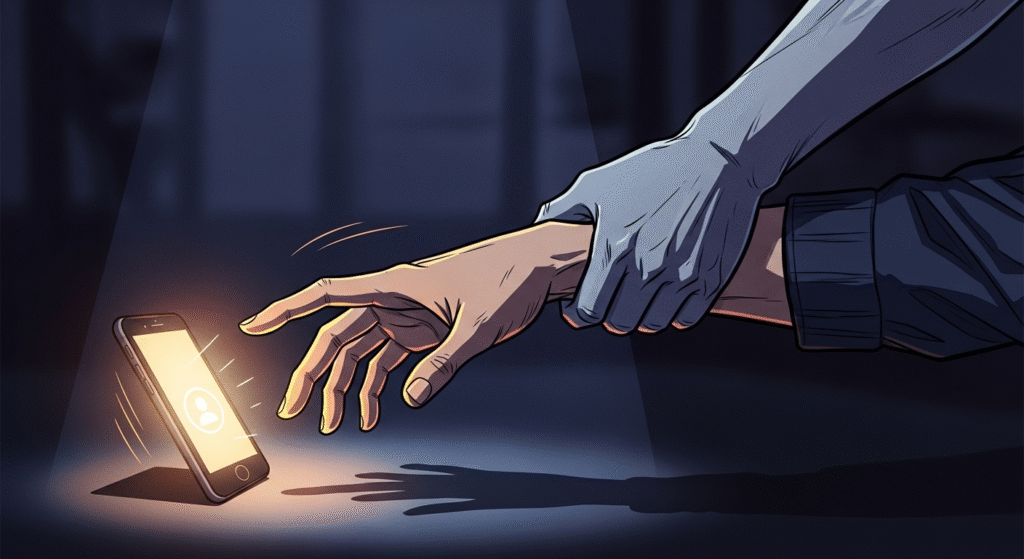
The 30-day breakup challenge is a powerful tool for reclaiming your independence and initiating deep healing, but let’s be real – it’s not always a smooth ride. One of the biggest obstacles you’ll face, one that can sneak up when your breakup challenge motivation starts to waver, is the irresistible lure of contacting your ex. It’s that urge to send a quick text, check their social media, or even just drive by their old haunts. This isn’t a sign of weakness; it’s a completely normal response to a significant loss and the breaking of a deep-seated habit. Your brain, accustomed to the dopamine hits and comfort of the relationship, will crave that familiar connection, even if it was ultimately unhealthy.
Understanding *why* this urge is so potent is the first step in combating it. Your ex represented a sense of security, routine, and perhaps even a part of your identity. Now that’s gone, and your system is trying to restore equilibrium, often by pushing you back to the familiar. This is where active relapse prevention becomes absolutely crucial for maintaining your breakup challenge motivation. Think of your challenge as a detox, and contact with your ex as a toxin that can derail your progress.
To fortify your resolve, start by identifying your triggers. Is it late-night loneliness? A specific song? Seeing something that reminds you of them? Once you know your personal hotspots, you can strategically create barriers. Delete their number, unfollow or block them on social media (temporarily, or permanently if needed), and ask mutual friends not to share updates. These aren’t acts of spite; they’re acts of self-preservation.
Next, develop healthy coping mechanisms to replace the impulse to reach out. When the urge strikes, immediately redirect that energy. Call a supportive friend, journal your feelings, go for a run, or immerse yourself in a new hobby. This is about building new neural pathways and proving to yourself that you *can* self-soothe and find comfort outside of your ex. Remind yourself constantly of your ‘why’ – the profound healing, personal growth, and renewed sense of self you’re working towards. A slip-up isn’t a failure; it’s a moment to pause, reflect, and recommit to your journey. Forgive yourself, learn from it, and get right back on track. Your 30-day challenge is a marathon, not a sprint, and every day you choose yourself is a victory for your long-term breakup challenge motivation.
Key Points
- The urge to contact an ex is a common and normal obstacle in a breakup challenge, driven by habit and loss, not personal weakness.
- Understanding the psychological reasons behind the ‘lure of contact’ is the initial step in developing effective prevention strategies.
- Maintaining breakup challenge motivation requires active relapse prevention, including identifying personal triggers and proactively setting up physical and digital barriers to contact.
- Developing healthy coping mechanisms and consistently reaffirming your ‘why’ (healing and growth) are essential for redirecting impulses and sustaining progress.
- View any slip-ups not as failures, but as opportunities for self-forgiveness and immediate recommitment to your healing journey.
Practical Insights
- Identify your specific triggers for wanting to contact your ex and pre-plan healthy, alternative activities to engage in when those triggers arise.
- Implement clear boundaries by deleting contact information, unfollowing/blocking on social media, and asking mutual friends to respect your no-contact rule.
- Build a robust support system of friends, family, or a coach who can offer encouragement and accountability, especially during moments of low breakup challenge motivation.

Building Your Support System for Sustained Breakup Challenge Motivation
Embarking on a 30-day breakup challenge is a powerful step towards healing, but let’s be real: it’s not a walk in the park. There will be days when your motivation wanes, when the urge to text your ex feels overwhelming, or when loneliness threatens to derail your progress. This is precisely where a robust support system becomes your secret weapon for sustained breakup challenge motivation. Think of it as your personal cheer squad, emotional sounding board, and accountability partners all rolled into one.
Building this network isn’t about collecting as many contacts as possible; it’s about curating a group of genuine, understanding individuals who truly want to see you thrive. Your support system can come in many forms: loyal friends who listen without judgment, family members who offer unconditional love, or even a therapist or coach who can provide expert guidance and strategies. Don’t underestimate the power of online communities or support groups specifically designed for post-breakup recovery – sometimes, hearing from someone who truly “gets it” because they’re going through something similar can be incredibly validating.
The magic of a strong support system lies in its ability to counteract isolation, a common trap after a breakup. When you feel understood and validated, it’s easier to process emotions and stick to your challenge goals. These individuals can remind you of your strength, celebrate small victories, and gently redirect you when you feel yourself slipping. They can offer distractions, provide a different perspective, or simply be a comforting presence. Crucially, they hold you accountable, reinforcing your commitment to the 30-day challenge and helping you maintain that vital breakup challenge motivation. Remember to communicate clearly what you need from them – whether it’s an ear, a distraction, or a firm reminder of your boundaries.
However, it’s equally important to set boundaries within your support system. Avoid those who enable self-destructive behavior, constantly criticize your ex (which can keep you stuck in negativity), or encourage you to break your challenge rules. Choose people who uplift you, respect your healing journey, and genuinely contribute to your well-being. Your resilience is amplified when you have the right people in your corner, providing the encouragement needed to not just complete, but truly conquer your 30-day breakup challenge.
Key Points
- A robust support system is essential for sustained breakup challenge motivation, acting as a personal cheer squad, emotional sounding board, and accountability partner.
- Curate your network with genuine, understanding individuals, including friends, family, professionals, and relevant online communities.
- A strong support system combats isolation, validates emotions, and helps you adhere to your challenge goals.
- Support figures remind you of your strength, celebrate progress, offer distractions, and gently guide you when motivation wanes.
- It’s crucial to set boundaries within your support system, choosing those who uplift and respect your healing over those who enable negative behaviors.
Practical Insights
- Identify 3-5 trusted individuals or resources (friends, family, therapist, online groups) and actively enlist their support for your challenge.
- Clearly communicate your 30-day challenge goals and specify the type of support you need from each person, whether it’s a listening ear, distraction, or accountability.
- Regularly assess your support network and politely distance yourself from anyone who encourages negative coping mechanisms or doesn’t align with your healing journey.
Celebrating Small Wins and Cultivating Healing Resilience for Your Breakup Challenge Motivation
You’re in the thick of your 30-day breakup challenge, and let’s be real, some days feel like an uphill battle. It’s easy to get fixated on the finish line or overwhelmed by the enormity of healing. But what if we told you the secret to sustaining your breakup challenge motivation isn’t just about enduring, but about actively acknowledging every tiny step forward? That’s where celebrating small wins comes in – and trust us, it’s a game-changer for your healing journey.
Think of it: did you resist the urge to text your ex today? That’s a win. Did you make it through a challenging moment without spiraling? Another win. Did you dedicate even five minutes to a self-care activity you’ve been putting off? You guessed it, a win! These aren’t insignificant; they’re monumental affirmations that you’re showing up for yourself. Each celebrated small victory creates a ripple effect, building momentum and reinforcing positive behaviors. It shifts your focus from what you’ve lost to what you’re actively gaining: strength, self-control, and a renewed sense of self. This positive reinforcement is absolutely essential for keeping your breakup challenge motivation alive and thriving.
Beyond the immediate boost, these consistent acknowledgments are the building blocks for cultivating true healing resilience. Resilience isn’t about never falling; it’s about how quickly and gracefully you get back up. It’s about adapting to the inevitable emotional ebbs and flows, learning from setbacks without letting them derail your progress. By recognizing your small victories, you’re essentially training your brain to see challenges as opportunities for growth, not just sources of pain. You’re teaching yourself that you have the capacity to navigate discomfort, to choose self-respect over impulse, and to actively participate in your own recovery.
Building this resilience means embracing self-compassion when you stumble and understanding that perfection isn’t the goal—progress is. It means developing robust coping mechanisms and a strong sense of self-worth that isn’t dependent on external validation. When you consistently honor your efforts, no matter how minor they seem, you solidify your commitment to yourself and your healing. This deepens your breakup challenge motivation, transforming it from a temporary sprint into a sustainable lifestyle of self-care and empowerment. You’re not just surviving your breakup; you’re thriving through it, one celebrated win at a time.
Key Points
- Celebrating small wins is crucial for sustaining your breakup challenge motivation and progressing your healing.
- Tiny victories, such as resisting ex-contact or practicing self-care, build momentum and reinforce positive behaviors, shifting focus to personal growth.
- Consistently acknowledging these wins fosters healing resilience, teaching you to adapt and learn from emotional setbacks.
- Resilience isn’t about avoiding falls, but about developing the capacity to recover and choose self-respect over impulse.
- Embracing self-compassion and honoring efforts, however minor, transforms temporary breakup challenge motivation into lasting empowerment and self-care.
Practical Insights
- Keep a ‘Win Journal’ to actively record and celebrate every small victory, no matter how minor, each day of your challenge to boost your motivation.
- Practice self-compassion on days you stumble, viewing setbacks as learning opportunities rather than failures, and recommit to your progress with kindness.
- Establish a small, daily self-care ritual (e.g., 5 minutes of meditation, a short walk) and acknowledge yourself for completing it, reinforcing positive habits and building resilience.

Looking Beyond the 30 Days: Maintaining Momentum and Long-Term Breakup Challenge Motivation
You’ve navigated the initial 30 days of your breakup challenge, and that’s a monumental achievement – seriously, give yourself a pat on the back! But here’s the thing: healing isn’t a finish line you cross at day 30; it’s an ongoing journey of self-discovery and growth. The challenge was your powerful kickstart, a structured way to regain control and build crucial healthy habits. Now, the real work begins: maintaining that incredible momentum and cultivating long-term breakup challenge motivation.
The key to sustained progress lies in transitioning from structured adherence to intuitive self-care. Think of it as moving from training wheels to confidently riding your own bike. This means embedding the positive changes you’ve made – like mindful social media use, dedicating time to hobbies, or connecting with your support system – into your everyday life as non-negotiables. It’s about understanding that healing is cyclical; there will be good days and challenging ones, and that’s perfectly normal. Don’t measure your progress against an arbitrary timeline or a perfectly straight path.
To keep your motivation burning bright, shift your focus from simply ‘getting over’ your ex to actively ‘getting into’ your new, empowered self. What new goals can you set for yourself? Perhaps it’s learning a new skill, committing to a fitness routine, exploring a passion project, or strengthening your existing friendships. These aren’t distractions; they are investments in your future happiness and resilience. Reframe ‘breakup challenge motivation’ as ‘life-building motivation.’ Regularly check in with yourself, acknowledge your emotional shifts without judgment, and be prepared to adjust your self-care strategies as needed. This sustained effort ensures that the person you become post-breakup is not just healed, but thriving.
Key Points
- The 30-day breakup challenge is a powerful kickstart, not the end-point of healing.
- Sustaining momentum involves integrating healthy habits into daily life as intuitive self-care.
- Healing is a cyclical journey with good days and challenging ones; progress isn’t linear.
- Shift focus from ‘getting over’ an ex to ‘getting into’ an empowered new self.
- Long-term motivation comes from setting new personal growth goals and embracing self-discovery.
Practical Insights
- Establish a personalized ‘Self-Care Toolkit’ with go-to activities and resources for when motivation dips.
- Schedule regular ‘Life Audits’ to assess your emotional state and adjust your routines to support continuous growth.
- Set 1-2 non-relationship-related personal goals (e.g., learning a new skill, fitness target) to channel energy constructively and foster new achievements.
Conclusion
Navigating a 30-day breakup challenge is undeniably hard, but by understanding your emotions, implementing daily strategies, building a strong support system, and celebrating every small victory, you can transform moments of doubt into powerful steps towards healing. Remember, your journey to consistent recovery and emotional strength extends beyond these 30 days. Keep fostering your breakup challenge motivation, embrace your resilience, and commit to your well-being. You’ve got this.